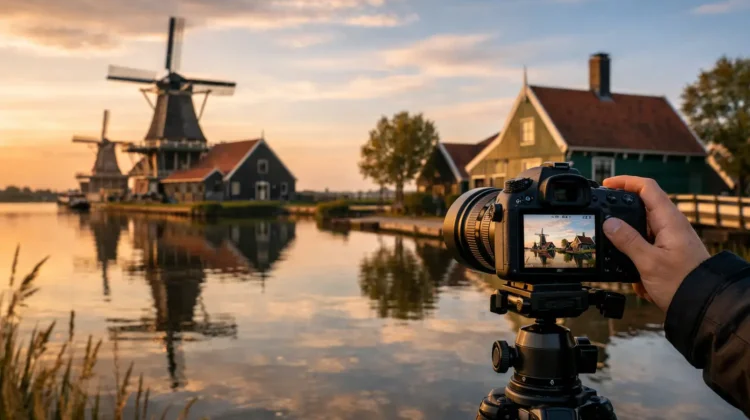
Zaanse Schans Photography Tips for Dreamy Shots
The first windmill turns slowly above the water, a row of green wooden houses catches the soft Dutch light, and suddenly your Amsterdam day trip feels like a scene from a storybook. These Zaanse Schans photography tips will help you capture that magic without spending your whole visit looking through a screen. The goal is not simply to photograph windmills. It is to bring home the feeling of stepping into old Holland.
Start Early for the Quietest Windmill Views
Zaanse Schans is one of the Netherlands’ most loved countryside destinations, and its charm attracts visitors all day long. Early morning is your best window for wide scenes with fewer people on the paths, reflections in the water, and a calmer, more intimate atmosphere.
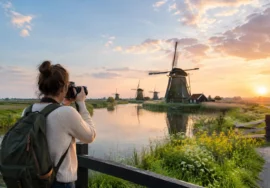
If you can arrive shortly after opening hours, begin around the windmills along the Zaan River. The low morning light can bring out the texture in the dark timber, bright green paint, and tall reeds. It also makes it easier to compose a photograph without a line of visitors crossing the frame.
That said, do not write off the afternoon. On a bright day, the sun can create cheerful color and crisp detail in the houses, bridges, and traditional workshops. It depends on the sky, the season, and the direction you are shooting. A moody cloud cover can be especially beautiful here, adding drama to a row of windmills that might otherwise look too postcard-perfect.
Zaanse Schans Photography Tips for Stronger Compositions
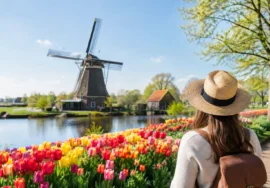
The classic view is worth taking: windmill, river, green grass, and a broad Dutch sky. But after you have captured it, slow down and look for the smaller details that give your photos a sense of place.
Use the winding footpaths, wooden fences, and narrow bridges as leading lines toward a mill. Frame a windmill between tree branches or through the open doorway of a barn, as long as the area is accessible. A canal edge in the foreground can add depth, while a simple patch of wild grass can soften an otherwise busy scene.
For the most balanced wide shot, avoid placing the horizon directly through the center of your image. Let the sky take up more space when the clouds are dramatic, or lower the horizon when the river and buildings are the real stars. Windmills are tall, elegant structures, so give them room to breathe rather than crowding every edge of the frame.
Portrait orientation works wonderfully for one windmill against a towering sky. Landscape orientation is better when you want to show the rhythm of several mills, the riverbank, or the charming green village buildings together.
Photograph the Details Between the Landmarks
A memorable Zaanse Schans gallery needs more than grand views. Look for weathered wood grain, painted shutters, old-fashioned signs, bicycles resting by a fence, and the small decorative touches on traditional Dutch homes. These close-up images make a photo collection feel more personal and tell a fuller story of the day.
The working crafts are equally photogenic. Cheese displays, wooden shoe workshops, and historic interiors offer rich color and texture. Ask before photographing people at work, and be ready for lower light indoors. A steady hand, a slightly higher ISO, or your phone’s night mode can be more useful than a flash, which may distract others and flatten the atmosphere.
Bring the Right Gear, but Keep It Simple
You do not need a professional camera bag to create beautiful photographs at Zaanse Schans. A phone with a clean lens, a compact camera, or a mirrorless camera can all produce images you will be excited to share.
If you use an interchangeable-lens camera, a standard zoom lens is the easiest choice for a day trip. It lets you shoot a wide landscape, then zoom in on a windmill sail or the details of a cottage without changing lenses outdoors. A small telephoto lens is helpful for isolating distant windmills and compressing the river scene, but it is not essential.
A few practical items make a real difference:
- A microfiber cloth for rain drops, sea mist, or fingerprints on your lens
- A compact power bank, especially if you are photographing and navigating with your phone
- A light rain cover or zippered bag for unpredictable weather
- Comfortable shoes with good grip for damp paths and uneven areas
Tripods can be useful for long exposures at dawn or dusk, but they are often more trouble than they are worth during a busy daytime visit. They take time to set up, can block narrow walkways, and may not be permitted inside certain attractions. For most travelers, bracing your camera against a railing or keeping your shutter speed a little faster is the easier choice.
Make Dutch Weather Part of the Story
The Netherlands is famous for changeable skies, and Zaanse Schans can shift from sunshine to showers in minutes. Rather than waiting for perfect blue skies, use the weather as part of your visual story.
On overcast days, colors often look richer and more even. The green houses, red-brown roofs, and water reflections can photograph beautifully without harsh shadows. When rain passes through, watch for puddles on the paths and still water near the river. A low-angle reflection can turn a familiar windmill into something more cinematic.
In bright midday sun, seek shade beside buildings or use backlighting creatively. Photograph a friend or partner walking toward a windmill with the sun behind them, then slightly underexpose the image to preserve the sky. You may get a glowing outline around their hair and a romantic sense of movement.
Do not pack away your camera when the wind picks up. Moving mill sails, rippling reeds, and fast-moving clouds create the energy that makes this landscape feel alive. A quick shutter speed freezes the sails sharply. A slower shutter speed, used carefully and with a steady camera, can blur their movement for a more artistic result.
Include People to Give Your Photos Scale
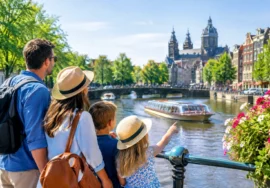
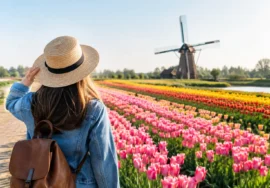
A windmill may be iconic, but it becomes more emotionally powerful when it is part of your day. Include your travel companion crossing a bridge, looking over the river, or holding a warm drink near the traditional houses. These are the photographs that often become favorites years later.
Keep the pose natural. Instead of standing directly in front of a mill and smiling at the camera for every image, give the person a small action: walk, turn, adjust a jacket, look at the sails, or point out a detail. This creates a more relaxed, editorial feel and makes Zaanse Schans look as enchanting as it felt.
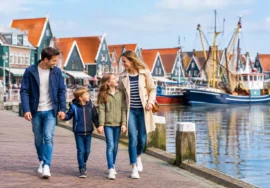
For couples, leave space around the two of you. A distant image of hands held along a riverside path can be far more romantic than a tightly cropped selfie. Families can use the bridges and open grassy areas for lively candid moments, while keeping a respectful distance from private homes and gardens.
Respect the Village While You Shoot
Zaanse Schans is a heritage destination and a living neighborhood, not a film set. Stay on marked paths, follow signs around windmills and workshops, and never climb fences for a “better” angle. The best photographs rarely require you to cross a boundary.
Be thoughtful around residents, staff, and other visitors. If a spot is popular, take your image, then make room for the next person. Avoid flying a drone unless you have confirmed the current local rules and any required permissions. The wind, nearby buildings, and visitor traffic can make it a poor choice even where it is allowed.
This considerate approach also improves your pictures. When you move more slowly, wait your turn, and observe the scene, you notice the quiet details that rushed visitors miss.
Plan Your Route Around Light and Time
A curated day trip from Amsterdam makes it easier to arrive with your camera ready instead of worrying about transfers, parking, or the best order of stops. Start with the expansive riverside views, then photograph the village streets and workshops as crowds build. Save a few minutes near the end for one final walk without a plan. The unexpected frame is often the one that feels most like Holland.
Whether you are traveling with a phone or a favorite camera, let the day unfold beyond the famous windmills. At Zaanse Schans, a reflection, a painted window, or a sail turning in a passing shower can become the hidden treasure you remember most.