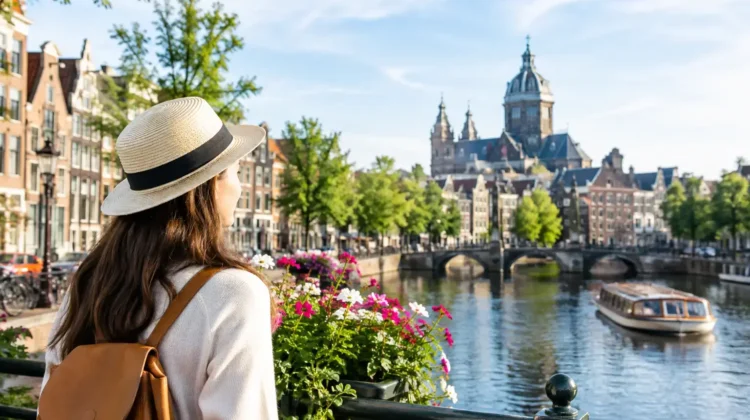
Is Netherlands Safe for Visitors? A Smart Guide
Amsterdam’s canal houses, flower markets, and lively café terraces can feel wonderfully open and easygoing. So, is Netherlands safe? For most visitors, the answer is yes. The Netherlands is widely considered a safe and welcoming place for a vacation, especially when you pair common-sense city awareness with a little Dutch know-how.
This is a country made for unhurried moments: watching windmills turn at Zaanse Schans, wandering the harbor in Volendam, or drifting through Giethoorn’s storybook waterways. The practical side matters, too. Knowing where to keep your phone, how to cross a bike lane, and what to expect after dark lets you enjoy the magic without second-guessing every step.
Is the Netherlands Safe? The Short Answer
The Netherlands is generally safe for solo travelers, couples, families, and groups of friends. Violent crime involving tourists is uncommon, public transportation is dependable, and Dutch cities are well organized. English is widely spoken, which makes it easier to ask for help, understand directions, and deal with an unexpected change of plans.
That said, safe does not mean carefree in every situation. Amsterdam is a major European capital with busy stations, nightlife districts, festivals, and crowds around famous attractions. Petty theft and pickpocketing are the most common concerns for visitors, particularly in packed areas where distraction is easy.
Outside Amsterdam, the pace changes quickly. Villages, countryside attractions, and smaller cities tend to feel calm and relaxed. Still, travelers should use the same awareness they would anywhere: secure valuables, plan transportation before a late night, and pay attention to local rules.
The Biggest Everyday Risk: Theft in Busy Places
Most visitors will never encounter a serious safety issue. The more realistic concern is an opportunistic thief targeting an unattended bag, open backpack, coat pocket, or phone left on a café table.
Be especially alert around Amsterdam Centraal, Dam Square, the Red Light District, major tram stops, museums, nightlife venues, and crowded trains. A quick photo beside a canal or a moment spent studying a map can be all it takes for a bag to disappear if it is not close to you.
Keep your passport, extra cards, and most of your cash in your hotel safe when possible. Carry only what you need for the day, wear a crossbody bag with the zipper closed, and keep it in front of you in dense crowds. On a restaurant terrace, avoid hanging a bag over the back of a chair. It is a small habit that protects an otherwise perfect afternoon.
Be cautious with strangers who create confusion, such as someone pressing a paper or souvenir into your hands, asking you to sign something, or drawing attention to a spill on your clothes. Genuine Dutch hospitality is warm but understated. If an interaction feels pushy, step away politely and keep moving.
Cycling Is Wonderful, but It Requires Attention
The Netherlands has one of the world’s great cycling cultures, and that is part of its charm. It is also the safety adjustment that surprises many American visitors. Bike lanes are not decorative sidewalks. They are active traffic lanes, often with cyclists moving quickly and quietly from both directions.
Before crossing a street, look for bicycles as carefully as you look for cars. Watch for red bike paths, painted markings, and bicycle traffic lights. Do not stand in a bike lane while taking a photo, and do not assume a cyclist can stop immediately. A bell may be a friendly warning, but it also means you are in someone’s path.
If you rent a bike, choose a route that suits your confidence level. Flat terrain makes cycling inviting, yet city traffic, tram tracks, and crowded intersections can feel intense for first-time riders. Guided cycling or a quieter countryside route may be more enjoyable than trying to navigate central Amsterdam at rush hour.
The same awareness applies near trams. Check both directions before crossing tracks, and never walk while staring at your phone. Amsterdam rewards curiosity, but it asks visitors to stay present.
Staying Safe at Night in Amsterdam
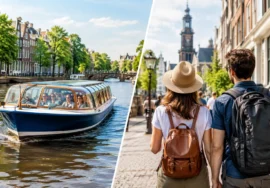
Amsterdam after dark can be enchanting: canal lights flickering on the water, intimate bars, live music, and restaurants tucked into historic streets. Popular central areas are usually active late into the evening, and visitors can comfortably enjoy them with sensible precautions.
Stay with your group when possible, know how you are getting back to your hotel, and keep your phone charged. If you have been enjoying drinks or nightlife, avoid biking home. Walking, public transit when operating, or a licensed taxi is the wiser choice.
The Red Light District is safe to visit for most travelers, but it is not a theme park. Follow posted rules, be respectful, and never photograph people working in the windows. The area can be crowded and occasionally rowdy, especially on weekends, so hold onto valuables and skip side streets that feel uncomfortable or overly quiet.
For women traveling alone, the usual city habits apply: trust your instincts, avoid accepting drinks from strangers, and leave any situation that feels off. The Netherlands is not a place where visitors need to be fearful, but confidence comes from making clear choices.
Smart Travel Habits for a Smooth Dutch Vacation
A few easy preparations make a meaningful difference. Save a photo of your passport separately from the document itself, make sure your travel insurance details are accessible, and carry a portable charger for long sightseeing days. Free public Wi-Fi is convenient, but avoid entering sensitive financial information on an unsecured network.
Use official transportation, established ticket machines, and reputable accommodations. If someone approaches you claiming there is a problem with your bank card, ticket, or hotel booking, pause before handing over anything. It is always better to verify directly with the business.
For urgent emergencies, call 112. This number connects you to police, fire, or medical assistance. If you need medical help that is not an emergency, your hotel reception or tour guide can usually point you toward the appropriate local service. The Dutch are direct communicators, which can initially feel brisk, but people are often genuinely helpful when you ask clearly.
Weather deserves a little attention, too. Rain and wind can arrive quickly, even during a bright summer day. Wet cobblestones, narrow bridges, and slick bicycle paths require sensible shoes. In winter, darkness comes early, while spring weather can shift between sunshine and showers during the same tulip-filled afternoon. A light waterproof layer is far more useful than an umbrella on a windy canal street.
Countryside Day Trips Feel Relaxed, Not Risk-Free
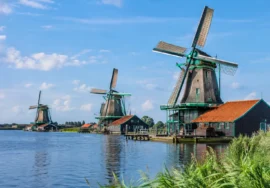
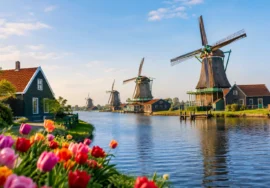
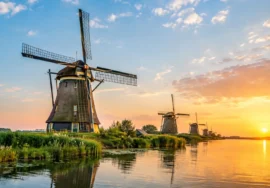
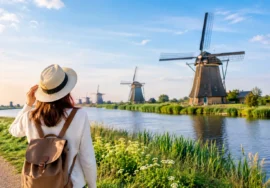
A day beyond Amsterdam is one of the loveliest ways to experience the Netherlands. At Zaanse Schans, the scent of wood, chocolate, and open air meets iconic windmills. In Volendam, colorful boats and traditional homes create a harbor scene that feels lifted from a postcard. Giethoorn brings quiet canals, thatched roofs, and a slower rhythm.
These destinations are typically very comfortable for visitors, including families. The practical risks are simple: uneven paths, water edges, bicycle traffic, and keeping track of meeting times in a busy attraction. Near canals and lakes, supervise children closely. For boat rides, follow crew instructions and do not lean over railings for the perfect photo.
A curated day trip removes many of the small logistical pressures that can distract from the experience. With transport, timing, and key stops organized, you can focus on the windmills turning against the sky or the moment every tulip seems to whisper a love story. Holland Experience can be a particularly easy choice for travelers who want the countryside’s hidden treasures without navigating schedules on their own.
Is Amsterdam Safe for Families and First-Time Visitors?
Yes, with a little planning. Families often find Amsterdam easy to explore because so much is walkable and public transportation reaches major sights. The city’s compact streets and canals are exciting for children, but they also demand supervision near water, traffic, and bike lanes.
First-time visitors should consider staying in a well-connected neighborhood rather than choosing a hotel solely because it is near the busiest nightlife streets. Build in time between attractions, especially if jet lag is part of the picture. Rushing through an unfamiliar city is when phones get left behind, tickets get misplaced, and wrong turns feel more stressful than they need to.
The Netherlands does not ask travelers to trade wonder for caution. Keep your valuables close, respect the rhythm of bicycles and waterways, and let your itinerary leave room to linger. Then you are free to enjoy the country as it should be enjoyed: one charming canal, windmill, and unforgettable adventure at a time.