How to Avoid Amsterdam Tourist Traps With Style
The difference between a magical Amsterdam morning and a disappointing one can be as small as a canal-side table. One serves a beautiful view, a warm stroopwafel, and a bill that makes sense. The other sells a pricey, forgettable version of Dutch culture to people in a hurry. Learning how to avoid Amsterdam tourist traps is not about skipping the city’s famous sights. It is about experiencing them with better timing, a little local awareness, and room for the moments that feel truly yours.
Amsterdam is wonderfully compact, but that convenience brings crowds. The historic center, especially around Dam Square, the Red Light District, and the main canal ring, is packed with places designed for fast decisions. You can still admire the landmarks, cruise the canals, and taste Dutch favorites. Just make choices that turn a busy itinerary into an unforgettable adventure.
How to Avoid Amsterdam Tourist Traps Without Missing the Magic
A tourist trap is not simply a popular place. The Rijksmuseum is popular for a reason, and watching the city glide by from a canal is one of Amsterdam’s great pleasures. The warning signs are different: inflated prices, vague menus, pushy sales tactics, poor-quality souvenirs, and experiences that leave you feeling processed rather than welcomed.
Start by protecting the rhythm of your day. Amsterdam rewards travelers who resist the urge to check off every attraction before lunch. Choose one major cultural highlight, one neighborhood to wander, and one memorable meal. This leaves space for an unexpected flower market, a quiet canal bench, or a tiny brown cafe where the afternoon seems to slow down.
Be selective around the busiest squares
Dam Square is worth seeing once for its royal history and grand architecture, but it is not where Amsterdam is at its most intimate. The same is true of the busiest stretches of the Red Light District. Walk through with curiosity and respect, but avoid treating the neighborhood as a spectacle. Never photograph the workers, and be cautious of bars or entertainment venues that advertise aggressively from the street.
For dining, take a few streets away from the main pedestrian flow. Restaurants with laminated photo menus, hosts inviting passersby inside, or enormous lists of unrelated international dishes often prioritize turnover over flavor. A short walk toward the Jordaan, De Pijp, Plantage, or Oost can lead to more relaxed tables and a stronger sense of the city’s everyday character.
This does not mean every central restaurant is a bad choice. It means you should pause before sitting down. Look for a focused menu, clear prices, recent customer feedback, and a dining room where people are lingering rather than rushing out.
Choose Dutch Food That Feels Worth the Stop
The Netherlands has far more to offer than oversized bags of candy and souvenir cheese. Stroopwafels, herring, bitterballen, poffertjes, Indonesian-inspired rijsttafel, and excellent Dutch cheese can all be part of a delicious visit. The key is choosing quality over theater.
Avoid shops that sell the same colorful boxes of sweets, magnets, and prepackaged snacks by the dozen. Instead, visit a bakery for a fresh stroopwafel, try a traditional snack from a busy neighborhood counter, or choose a cheese shop that offers a thoughtful tasting rather than a hard-sell performance.
For cheese, remember that the most theatrical tasting room is not necessarily the best place to buy. Ask where the cheese comes from, how long it has aged, and whether you may sample before choosing. A good shop will be happy to answer. If you are bringing cheese home to the United States, check current customs guidance before packing it, particularly for items that need refrigeration.
Book Major Attractions Before You Arrive
Long lines create the perfect conditions for rushed, expensive choices. When a museum is sold out or a canal cruise leaves in five minutes, travelers are more likely to buy whatever is directly in front of them. Plan your must-see experiences ahead of time, particularly during spring tulip season, summer weekends, school breaks, and the December holidays.
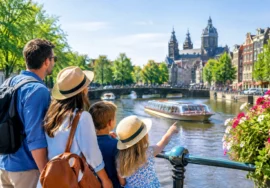
Reserve timed entry for major museums and choose a canal cruise with a clear route, duration, departure point, and cancellation policy. A canal cruise can be romantic and surprisingly revealing when it is part of a well-paced day. It can feel like a missed opportunity when you board the first boat after an hour of wandering in the rain.
The same thinking applies to guided tours. Read what is included, how much free time you will have, the group size, and whether transportation is genuinely comfortable. The lowest advertised price is not always the best value if it adds hidden fees, long transfers, or little time at the destination.
Watch for ticket scams and misleading offers
Use official ticket channels or established tour operators, and be wary of anyone selling tickets on the street. Do not hand over your bank card or passport as a deposit for bicycle rentals. Before renting a bike, inspect it, photograph any existing damage, ask about locks and insurance, and make sure you are comfortable cycling in dense urban traffic.
Amsterdam cyclists move with purpose. Bike lanes are not scenic sidewalks, and stepping into one for a photo can create a dangerous moment for everyone. If you have not biked regularly in a city, walking, taking public transit, or joining a guided bike tour may be a more enjoyable choice.
Find the Amsterdam Beyond the Souvenir Shops
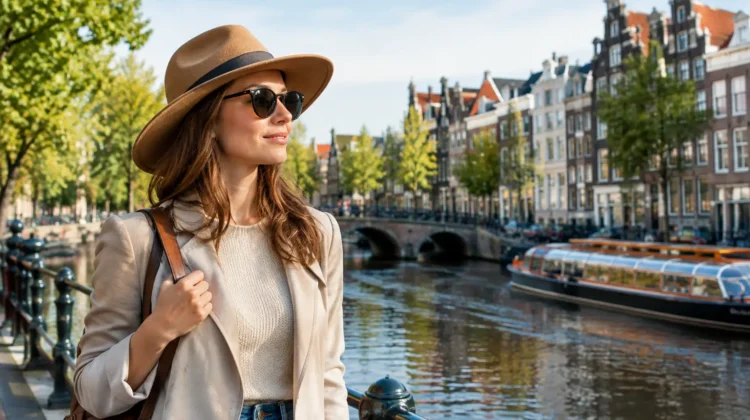
Some of Amsterdam’s best memories require no ticket at all. Wander the smaller streets of the Jordaan in the morning, browse the Albert Cuyp Market with a plan to taste rather than overbuy, or take the free ferry behind Central Station to Amsterdam Noord for a different perspective on the water.
Neighborhood choice matters. The Jordaan brings storybook canals, independent boutiques, and a village-like feel. De Pijp is lively and food-focused, with a younger local energy. Plantage offers leafy streets, cultural institutions, and a calmer pace near the center. Each is still visited by travelers, but none depends entirely on selling Amsterdam back to tourists.
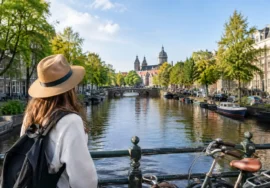
Build in time to wander without Google Maps directing every step. The city’s charm is often found in the in-between places: tilted gabled houses reflected in the canal, a florist arranging tulips outside a storefront, the sound of bicycle bells drifting across a bridge.
Do Not Limit Your Dutch Story to Amsterdam
Amsterdam is a magnificent base, but the Netherlands becomes even more memorable when you see what lies beyond the canal ring. This is also one of the smartest ways to escape the most crowded, commercial parts of the city without wasting valuable vacation time.
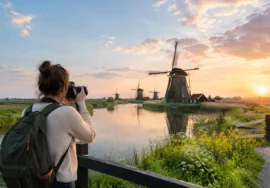
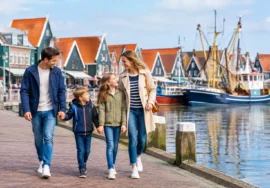
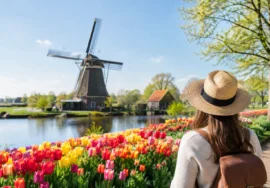
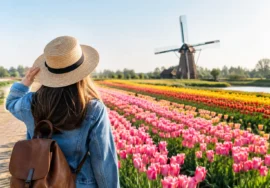
A day in the countryside can bring you face-to-face with the images many travelers dream of before arriving: working windmills, wooden houses, fishing harbors, open fields, and villages where life moves at a gentler pace. Zaanse Schans offers classic windmill scenery and traditional Dutch crafts. Volendam adds waterfront charm and colorful maritime character. Giethoorn invites you to trade busy streets for tranquil waterways and thatched-roof scenes that feel lifted from a postcard.
These destinations are well known, so they are not secret. But a carefully designed day trip can still feel personal. The trade-off is simple: independent travel may offer more spontaneity, while a curated excursion saves time on train connections, schedules, parking, and figuring out what is actually worth seeing. For couples, families, and small groups with a short stay, the saved time often becomes the luxury.
Holland Experience creates countryside day trips and private excursions for travelers who want the iconic windmills, villages, and seasonal tulip gardens without turning the day into a transport puzzle. A private option is especially appealing if you want a flexible pace, extra photo stops, or more time in the places that capture your imagination.
Shop for a Memory, Not a Suitcase Full of Clutter
Amsterdam souvenir shops can make it seem as if every friend at home needs a wooden tulip, a neon canal-house keychain, and a pair of clogs in three sizes. A small keepsake is lovely. Ten identical ones usually become luggage weight.
Choose something with a story instead: a print from a local illustrator, a beautifully packaged Dutch treat, a small piece of ceramics, or a photograph you took on a quiet bridge at golden hour. If you do want traditional clogs or Delft-inspired pieces, buy from a craft-focused shop or a countryside workshop where you can learn how they are made.
Give yourself permission to leave empty-handed sometimes. The most lasting souvenir may be the feeling of watching windmill sails turn against a big Dutch sky, or sharing a warm stroopwafel while the city wakes around you.
A Better Rule for Your Amsterdam Itinerary
When a place feels designed to rush you, pressure you, or separate you from your money before you understand what you are buying, keep walking. Amsterdam has no shortage of beauty, flavor, and charm, and the best experiences rarely need to shout for your attention.
Leave a little room in every day for curiosity. Take the quieter canal, order the dish you have never tried, and let one beautifully planned excursion carry you beyond the crowds. That is where Amsterdam stops feeling like a checklist and starts feeling like your own Dutch story.