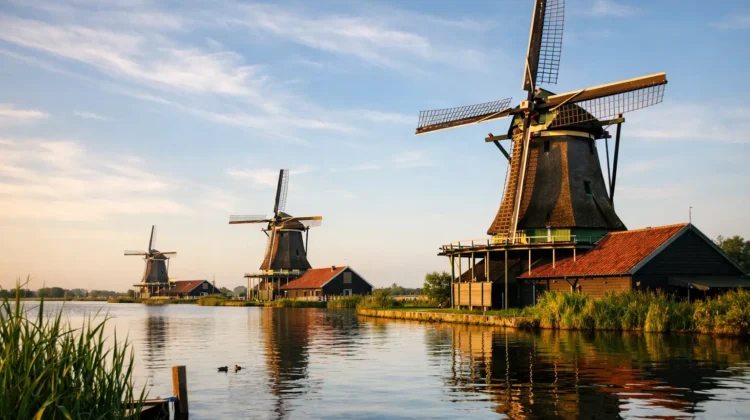
Dutch Windmills: Where History Still Turns
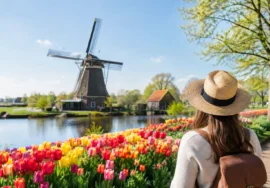
A turning sail against a big Dutch sky is more than a postcard moment. Dutch windmills helped create the country travelers come to admire: orderly fields, shining canals, quiet villages, and land reclaimed from the water. From Amsterdam, it takes surprisingly little time to trade city streets for this enchanting scene – and to understand why windmills remain one of the Netherlands’ most beloved symbols.
For visitors with only a few days in Amsterdam, the real question is not whether to see a windmill. It is which kind of experience fits your trip. Do you want the famous sweep of a historic village, a working mill with the scent of fresh flour, or a quieter countryside view away from the crowds? Each offers a different kind of Dutch magic.
Why Dutch Windmills Matter So Much
The Netherlands has always had a complicated relationship with water. Much of the country lies at or below sea level, while rivers and the North Sea have shaped daily life for centuries. Dutch windmills were practical machines built to meet that challenge. Their power was used to pump water from low-lying land, saw timber, press oil, grind spices, make paper, and mill grain.
The drainage mills were especially transformative. They helped move water out of polders, areas of land surrounded by dikes, allowing communities to farm and build where there had once been lakes or marshland. In other words, some of the landscape outside Amsterdam exists because generations of Dutch engineers learned to put the wind to work.
That history gives a windmill visit more depth than a quick photo stop. You are looking at an early industrial powerhouse, designed with remarkable ingenuity and adapted to the needs of a small, ambitious trading nation. The gentle creak of wooden gears and the steady rhythm of the sails make that story feel wonderfully close.
Where to See Dutch Windmills Near Amsterdam
Zaanse Schans: The Iconic First Choice
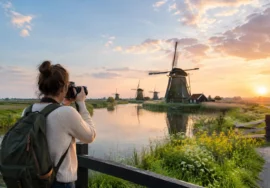
For most travelers, Zaanse Schans is the easiest and most memorable introduction to Dutch windmills. Located just north of Amsterdam, this historic riverside area brings together working mills, traditional wooden houses, small workshops, and wide-open water views. It is a place where the classic Dutch image feels very real.
Several mills at Zaanse Schans still operate, each with its own purpose and personality. One may grind pigments for paint, another may produce oil, while another processes spices or cuts timber. Going inside a working mill is worth the climb if you are comfortable with narrow stairs. The view from above is beautiful, but the machinery is the real surprise: massive beams, rotating shafts, and wooden wheels working with astonishing force.
Zaanse Schans is popular for good reason, so timing matters. Morning visits usually feel calmer, particularly if you want clear photos of the mills reflected in the water. Afternoon light can be lovely too, but it often brings larger groups. A curated day trip is a comfortable choice for travelers who would rather enjoy the scenery than sort out train connections, local buses, and opening times.
Kinderdijk: A Landscape Shaped by Water
Kinderdijk offers a different scale of wonder. This UNESCO World Heritage landscape is known for its long line of historic drainage mills set along canals and open fields. Rather than a compact village experience, it feels like stepping into the Dutch water-management story itself.
It is farther from Amsterdam than Zaanse Schans, so it suits travelers with a full day and a particular interest in history, photography, or engineering. The setting is expansive and serene. On a breezy day, when several sails are turning at once, the scene can feel almost cinematic.
Kinderdijk is not necessarily the best option for a short Amsterdam stay, but it rewards those who have time to linger. It is also a strong choice for repeat visitors who have already seen Zaanse Schans and want a deeper countryside experience.
De Gooyer: A Windmill Without Leaving Amsterdam
If your schedule is tight, De Gooyer offers a delightful windmill moment within Amsterdam itself. Standing beside a historic brewery in the eastern part of the city, it is one of the tallest wooden windmills in the Netherlands. You will not get the sweeping village landscape of Zaanse Schans, but it makes a charming stop between canal walks, museums, and dinner plans.
Think of De Gooyer as a taste rather than the full story. It is ideal for travelers who want a memorable photo and a local detail woven into a city-focused itinerary.
What You Will Actually See Inside a Windmill
A windmill can look peaceful from the outside, but its interior is often steep, compact, and alive with movement. Most traditional mills were working buildings, not designed as spacious visitor attractions. Staircases can be narrow, floors may tilt slightly, and the upper levels may be unsuitable for guests with limited mobility.
Inside, you may see sacks of grain, polished millstones, spice grinders, saw blades, or the huge mechanisms that turn wind into useful labor. Guides often explain how the miller adjusts the sails according to the wind, a skill that requires experience and constant attention. When the wind is strong, the sound and energy of the machinery are unforgettable.
Not every windmill is open every day, and operations depend on weather, maintenance, and season. If entering a mill is a priority, choose an itinerary that includes it rather than assuming every photogenic mill welcomes visitors inside.
How to Make Your Windmill Day Feel Special
The most rewarding visits balance the headline attraction with time to notice the smaller details. Watch the sails from across the water before moving closer. Look for the green wooden houses, boats gliding along the river, and the changing colors of the sky. Dutch countryside charm often arrives in the pauses between scheduled stops.
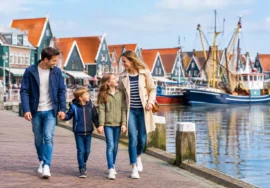
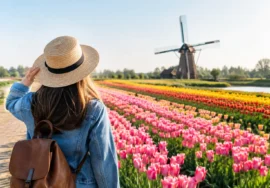
Pairing windmills with Volendam or another traditional village can create a full, story-rich day from Amsterdam. Windmills reveal the Netherlands’ industrious side, while harbor villages bring in fishing heritage, colorful homes, and waterfront character. In spring, a route that combines windmills with Keukenhof or nearby flower fields adds another layer of color, though tulip season is short and crowds are at their peak.
Private touring offers a different advantage: flexibility. Couples, families, and friends traveling together can spend longer at a favorite mill, stop for an unplanned photo, or shape the pace around children and mobility needs. Shared tours are often more budget-friendly and efficient, especially for solo travelers or visitors who like a social atmosphere. The better choice depends on how much freedom matters during your limited vacation time.
A Few Practical Details Before You Go
Bring layers, even in summer. The countryside can be noticeably windier and cooler than central Amsterdam, particularly near open water. Comfortable shoes are useful for uneven paths, cobblestones, and mill staircases. If rain is forecast, do not let it ruin the plan: low clouds, wet wood, and turning sails can make the landscape feel even more atmospheric.
Photography lovers should arrive early and resist taking every image from the same viewpoint. A wide shot captures the landmark scene, but close details often become the favorites later: a weathered door, a sail reflected in a canal, a miller’s tools, or sunlight on the green clapboard houses.
Above all, remember that many Dutch windmills are working monuments cared for by dedicated millers and preservation groups. Give the machinery space, follow safety guidance, and enjoy the privilege of seeing history in motion.
A day among Dutch windmills is a beautiful reminder that the Netherlands was not simply built beside the water. It was patiently, cleverly, and proudly shaped around it. Let the sails turn, take the scenic route, and leave room in your Amsterdam itinerary for a countryside memory that feels crafted just for you.