Guide to Zaanse Schans Museums and Mills
The first scent that greets many visitors at Zaanse Schans is not tulips or fresh rain. It is cocoa, wood, and the faint, nutty perfume of oil pressing – a wonderfully Dutch welcome to a living landscape where windmills still turn beside green-painted houses. This guide to Zaanse Schans museums and mills helps you shape that first impression into a day that feels beautifully unrushed, whether you are traveling from Amsterdam as a couple, with friends, or as a family.
Zaanse Schans is often described as an open-air museum, but it is more enchanting than a single attraction with one doorway. The village itself is free to wander, while the working windmills, specialty museums, and historic interiors each offer their own experience. That distinction matters when you are choosing tickets, planning your time, or deciding whether a guided day trip is the right fit.
What makes Zaanse Schans worth the trip
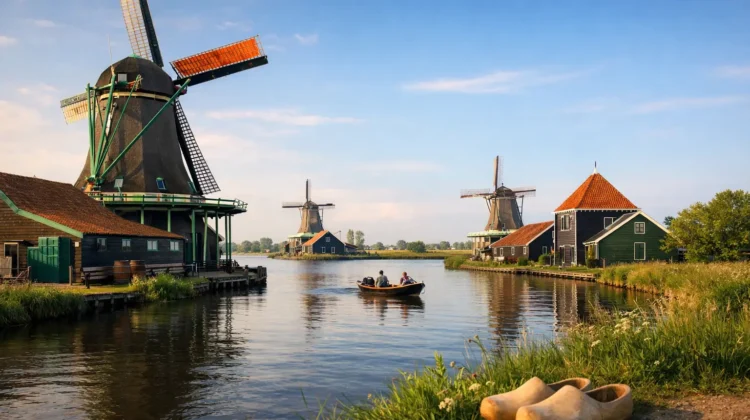
Just north of Amsterdam, Zaanse Schans brings together many of the scenes travelers picture when they dream of Holland: canal water reflecting wooden houses, windmills on a wide horizon, cheese wheels stacked high, and craftspeople shaping timber or carving clogs. Yet this is not a decorative set built for photographs. The mills tell the story of the Zaan region, one of the world’s earliest industrial areas, where wind powered sawmills, paint mills, spice mills, and oil mills long before factories took over.
That history gives the village its character. You can pause for the classic windmill view, then step inside a building where machinery still creaks, belts move, and gears reveal how much ingenuity stood behind the Dutch Golden Age. The best visits balance those big postcard moments with time for the smaller details: a patterned curtain in a historic home, a wooden bridge, a bakery window, or the sound of sails catching the breeze.
Guide to Zaanse Schans museums and mills: where to begin
Start with the Zaans Museum if you want context before entering the mills. Its exhibitions introduce the industries, communities, and traditions that shaped this part of the Netherlands. It is particularly useful for visitors who want more than a quick photo stop, because it connects the charming waterfront village to the working lives of the people who lived here.
The museum is also home to the Verkade Experience, a colorful look at one of the Netherlands’ beloved biscuit and chocolate brands. Vintage packaging, production equipment, and old advertising offer a nostalgic change of pace from the rural scenery outside. It is a lovely choice on a rainy morning or for families looking for an indoor stop that still feels distinctly Dutch.
Nearby, the World of Windmills experience adds another layer to the story. Rather than simply admiring the mills from outside, you can learn how different types of mills served different purposes and why the Zaan landscape was so perfectly suited to wind-powered industry. If your time is limited, choose this or the Zaans Museum based on your interests: the Zaans Museum gives a broader regional picture, while World of Windmills keeps the focus firmly on these remarkable wooden giants.
Which windmills can you enter?
The lineup of open mills can change with maintenance, weather, staffing, and the season, so it is wise to check current access before you go. A few names are especially memorable. De Kat is known as a paint mill, where pigments are traditionally ground. Het Jonge Schaap is a reconstructed sawmill that makes the power of wind-driven timber cutting easy to understand. De Zoeker and De Bonte Hen reveal the world of oil production, an industry that once helped make the Zaan region prosperous.
Entering a mill is different from viewing one across the water. Staircases may be narrow and steep, floors can vibrate under working machinery, and upper levels are not always ideal for guests with limited mobility or very young children. The reward is a rare, close-up sense of the mill’s living mechanics. If you only choose one mill interior, pick the one that is operating on the day and let its craft guide your choice.
Don’t overlook the smaller stops
Cheese and clogs are part of the Zaanse Schans experience for a reason. A cheese demonstration explains the making and aging of Dutch cheese, with tastings that make it easy to compare creamy young varieties with sharper aged wheels. At the clog workshop, watch wood become footwear in just a few deft movements. These stops are often quicker and more accessible than a mill visit, making them excellent additions when traveling with children or anyone who prefers level, easy walking.
Historic homes and small craft buildings add quiet charm between the headline attractions. Some contain traditional furnishings, while others demonstrate trades that have shaped Dutch daily life for generations. You do not need to enter every building to enjoy the area. In fact, leaving room to stroll is one of the best ways to avoid turning a storybook village into a checklist.
Tickets: choose for your pace, not just the price
The village grounds are open to explore without an admission ticket, but individual museums and windmills typically charge entry. If you are eager to go inside several locations, a combined attraction pass can offer better value than paying separately. If your priority is photography, a relaxed walk, one cheese tasting, and lunch with a view, individual entries may make more sense.
There is no single perfect ticket for every traveler. A family with younger children may enjoy one museum and a clog demonstration before attention spans run out. History lovers can easily fill a half-day with the Zaans Museum, World of Windmills, and a pair of working mills. Couples on a romantic countryside day may prefer fewer interiors and more time beside the water, perhaps lingering over Dutch pancakes or apple pie.
Before departure, confirm opening hours and what is included in any pass you are considering. Some sites have seasonal schedules, and windmills can occasionally close for safety reasons during extreme weather. A curated tour from Amsterdam can remove that uncertainty by organizing transportation and timing around the highlights, especially valuable when your vacation schedule is short.
The best time to visit Zaanse Schans
Arrive early if you want the village at its most peaceful. The first hour of the morning brings softer light on the mills and fewer people on the bridges, making it especially rewarding for photographers and couples seeking that cinematic Holland moment. Midday is livelier, with more workshops and attractions in full swing, but it is also when day visitors are most likely to arrive.
Spring offers fresh green fields and the chance to pair Zaanse Schans with a tulip-focused itinerary, though the village can be busy during the peak flower season. Summer provides long daylight hours and an energetic atmosphere. Autumn often feels especially atmospheric, with changing skies and a little more room to wander. Winter can be magical when the weather is crisp, but plan for shorter days and confirm seasonal opening hours carefully.
Allow at least three hours for a satisfying first visit, and closer to four or five if you plan to enter multiple museums and mills. From Amsterdam, the journey is short enough for a half-day escape, but combining the area with Volendam or other countryside treasures creates a fuller, beautifully crafted Dutch day.
A simple route for a memorable visit
Begin with the classic waterfront view while the light is fresh, then choose one windmill to enter before the busiest period. Continue to the Zaans Museum or World of Windmills for the bigger story behind what you have seen. From there, slow down with a cheese tasting and a stroll through the historic buildings, saving time for lunch or a warm drink by the water.
This order works because it gives the most time-sensitive attractions your best energy. It also leaves space for serendipity. A mill turning strongly in the wind, a peaceful path behind the main village, or a demonstration beginning just as you arrive can become the detail you remember most.
Make the day feel effortless
Zaanse Schans rewards curiosity, but it can require a little coordination. Transportation from Amsterdam, changing attraction hours, ticket choices, and the temptation to see everything can make a short outing feel more complicated than it should. Travelers who want a polished, story-led countryside experience may prefer an organized excursion, while private touring is a lovely option for small groups who want flexible pacing and more time for the places that matter most to them.
Holland Experience can craft that kind of day around the iconic windmills and the hidden treasures between them, so you can spend less time watching the clock and more time taking in the view.
When you stand beside the Zaan with sails turning above the water, resist the urge to rush to the next stop. Choose one museum that sparks your interest, one mill that is open and working, and one quiet moment to simply enjoy the charm around you. That is where Zaanse Schans becomes more than a day trip – it becomes one of those Dutch memories that stays bright long after Amsterdam is behind you.