
Zaanse Schans Cultural Guide for Smart Visits
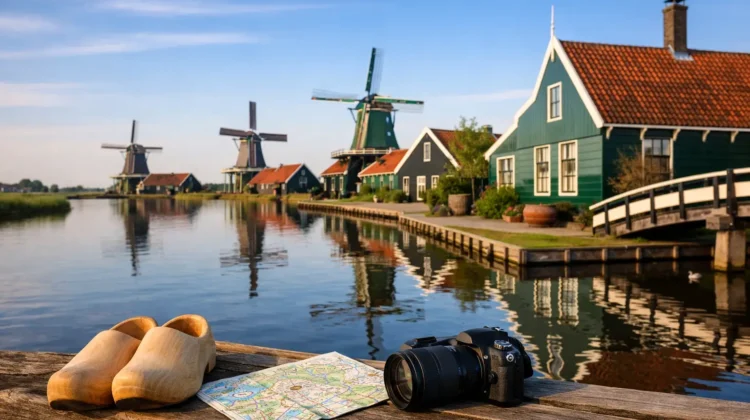
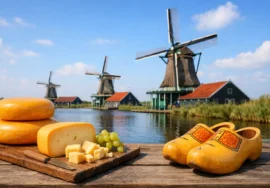
The first thing most visitors notice at Zaanse Schans is the postcard view – windmills turning over green wooden houses, narrow footpaths, and the kind of light that makes everything feel slightly cinematic. But a good Zaanse Schans cultural guide should do more than point you toward the prettiest photo spot. This place is not a theme park version of the Netherlands. It is a living landscape shaped by labor, water management, trade, and craft, and your visit becomes far more memorable when you understand what those windmills and workshops actually meant to Dutch life.
What Zaanse Schans really represents
Zaanse Schans sits in the Zaan region, one of the earliest industrial areas in Europe. That matters because the windmills here were not built as decoration. They powered production. Long before factories ran on steam or electricity, this region used wind energy to saw timber, press oil, grind spices, and produce pigments. In other words, the beauty you see today comes from a hardworking past.
That is the central cultural lens for the village. The site feels idyllic, but it was built on innovation and efficiency. The Dutch did not simply admire the wind – they put it to work. When you visit with that idea in mind, the mills stop being just scenic landmarks and start telling a story about engineering, commerce, and survival in a wet, crowded country that learned to make every resource count.
A Zaanse Schans cultural guide to the windmills
If you only have an hour, you can walk through the village and still feel charmed. If you have half a day, you can begin to appreciate the differences between the mills, and that is where Zaanse Schans becomes much richer.
Some mills were used for sawing wood, which helped fuel Dutch shipbuilding and expansion during the Golden Age. Others processed oilseeds, turning wind power into everyday products used in food and industry. There were also mills for pigments and materials that supported painting, construction, and trade. Each mill had a practical role, and each one reflects a Dutch habit that still feels familiar now – combining beauty with usefulness.
Going inside a working mill is worth your time, especially if you want more than a surface-level visit. You hear the creak of the machinery, feel the confined wooden structure, and see how much skill was involved in operating it. It is also a reminder that traditional technology was physical and risky. Life around these mills was not quaint for the people who worked there. It was demanding, noisy, and tied closely to weather and markets.
Why the houses and streets feel so distinct
Part of Zaanse Schans’ charm comes from its architecture. The green timber houses, white trim, and ordered layout create that instantly recognizable Dutch countryside look. But even here, style followed local needs.
Wood was an important building material in the region, and the painted facades helped protect structures from the elements. The compact layout reflects a society that had to use land carefully. The Netherlands has always had a close relationship with water, and settlement patterns often show a practical response to limited, managed space.
As you walk, notice how intimate everything feels. Paths are narrow. Buildings sit close to the water. Bridges connect small sections of the village in a way that feels both charming and efficient. That balance is part of the Dutch design instinct – not grand for the sake of grandeur, but elegant because things work well.
The craft demonstrations are not just for children
Many travelers see cheese making, clog workshops, and artisan demonstrations as pleasant extras. They are enjoyable, yes, but they also reveal something important about Dutch identity and tourism.
Clogs are a perfect example. To many international visitors, they look like novelty souvenirs. Historically, they were practical footwear for workers who needed durability and protection in wet, muddy conditions. Watching how they were made helps explain why they became so embedded in rural life. The same goes for cheese. The Netherlands did not become famous for cheese by accident. Dairy production, regional specialization, and trade all helped shape everyday food culture and export history.
These demonstrations can be crowded, and some are clearly designed with tourism in mind. That does not make them fake. It just means the presentation has been polished for modern visitors. The trade-off is simple: you lose a bit of rawness, but you gain access and clarity. For many travelers, especially on a shorter Amsterdam itinerary, that is a fair exchange.
How to visit without feeling like you are in a rush
The biggest mistake at Zaanse Schans is treating it like a quick photo stop. Yes, you can do that. But the setting rewards slower pacing.
Arrive early if you can. Morning light is beautiful, and the atmosphere is calmer before group tours fill the main lanes. If you prefer a more romantic mood, late afternoon can also be lovely, especially when day-trippers begin to leave and the village exhales a little.
A well-crafted half-day works best for most visitors. That gives you time to walk the paths, choose one or two mill interiors, watch a craft demonstration, and pause for coffee without constantly checking the clock. If your Amsterdam trip is short and you want to pair it with another classic stop such as Volendam, this is also where a curated excursion earns its value. You spend less energy figuring out trains, tickets, and timing, and more energy enjoying the place itself.
Cultural etiquette and what visitors often miss
Because Zaanse Schans is visually inviting, people sometimes forget that parts of the area remain residential or function like a real heritage site rather than a movie set. Respect matters here.
Keep to marked paths, avoid blocking narrow walkways for extended photo sessions, and be mindful when photographing homes or gardens. Dutch culture tends to value order, consideration, and shared space. You will notice it in bike lanes, public transport, and village life. Zaanse Schans is no different.
Another detail worth noticing is how understated many experiences are. Dutch heritage sites often do not shout for attention. Interpretation can be informative without being theatrical. That can feel refreshing if you like authenticity, though travelers who expect heavy entertainment may need to adjust their pace and mindset. This is a place best appreciated through observation rather than spectacle.
Food, souvenirs, and what is actually worth buying
You will find shops selling local treats, kitchen items, cheese, clogs, and decorative gifts. Some items are charming keepsakes. Some are clearly aimed at mass tourism. It depends what you want.
If you care about memory over novelty, buy something tied to craft or region rather than the loudest souvenir on the shelf. A good local cheese, a small artisan-made kitchen item, or a beautifully designed Dutch pantry product often feels more satisfying than something oversized and gimmicky. The same logic applies to food stops. A simple break with coffee and a traditional sweet can feel more distinctly Dutch than chasing a heavily advertised snack just because everyone else is doing it.
Is Zaanse Schans too touristy?
This is the question many travelers ask, usually after seeing social media photos or reading mixed reviews. The honest answer is yes and no.
Yes, it is one of the Netherlands’ best-known day trip destinations, and during busy periods it can feel crowded. You will not have the place to yourself, and some experiences are packaged very clearly for visitors. If your ideal countryside moment is complete solitude, this may not match that fantasy.
But no, it is not empty of meaning. The heritage is real, the landscape is beautiful, and the cultural story is strong. The trick is to approach it with the right expectation. Zaanse Schans is not hidden. It is iconic. And iconic places can still be worthwhile when you know how to read them.
For travelers who want the Dutch countryside without logistical friction, this is exactly why a polished day trip remains appealing. Holland Experience, for example, builds these classic stops into smooth itineraries that let you enjoy the windmills, village atmosphere, and surrounding highlights without turning the day into a transport puzzle.
Who will enjoy it most
Zaanse Schans works especially well for first-time visitors to the Netherlands, couples looking for a photogenic half-day, families who want an easy cultural stop, and anyone who loves heritage with a scenic backdrop. It is also ideal if you want that unmistakably Dutch visual language – windmills, waterways, painted houses, and craft traditions – in one manageable visit.
If you are a traveler who prefers obscure villages and uncurated local life, you may want to pair it with a second stop that feels quieter and less polished. That combination often gives the best of both worlds: the famous image and the more personal memory.
A strong Zaanse Schans cultural guide does not ask you to see the village as frozen in time. It asks you to see it as a Dutch story still being told – through wind power, craftsmanship, design, and the careful beauty of a country that learned to turn necessity into elegance. Go for the windmills, certainly, but stay long enough to notice the culture that made them matter.

Pingback: Best Small Group Excursions From Amsterdam | Holland Experience