Wooden Houses Netherlands Guide for Travelers
The moment you step into a Dutch village lined with painted timber facades, the Netherlands starts to feel less like a country and more like a carefully staged love letter to craftsmanship. This wooden houses Netherlands guide is for travelers who want more than a quick photo stop – it is for anyone who wants to understand why these homes are so striking, where to find the most beautiful examples, and how to turn that search into a day that feels beautifully well planned.
Why wooden houses feel so special in the Netherlands
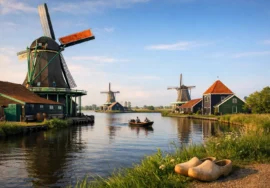
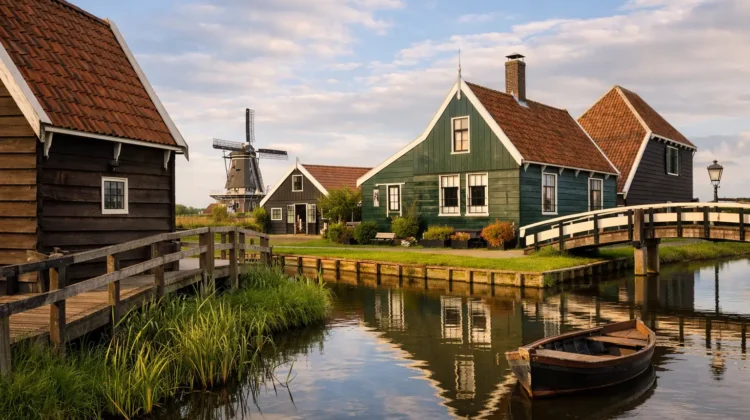
For many first-time visitors, the Dutch dream comes with canals, windmills, and tulips. Then they arrive in places like Zaanse Schans or the old villages of North Holland and notice something else entirely – rows of green timber houses, white trim, neat gables, and a kind of storybook calm that feels almost too charming to be real.
Part of the magic is contrast. Amsterdam is elegant and urban, with canal houses in brick and stone. Wooden houses, by comparison, feel softer and more rural. They belong to marshy landscapes, village lanes, and waterside settings where history seems to move at a gentler pace. They photograph beautifully, of course, but they are also a clue to how Dutch communities once built around water, trade, and local materials.
These homes matter because they are not just decorative leftovers from another era. In many villages, they are part of a living streetscape. Some are museums, some are shops, and some are still private homes. That gives them a warmth that polished heritage sites sometimes lose.
A quick wooden houses Netherlands guide to the history
Wood was once a practical building material in parts of the Netherlands, especially in regions where timber was accessible through trade and where local building traditions favored lighter structures. In older Dutch villages, wood could be faster to build with than masonry, and it suited communities connected to shipping, milling, and small-scale industry.
There is, however, a trade-off hidden in that charm. Wood is vulnerable to fire and weather. Over time, many Dutch towns shifted toward brick because it was more durable and safer. That is one reason wooden houses stand out today – so many disappeared elsewhere. The ones that remain feel rare, preserved, and deeply tied to regional identity.
Their colors are part of the appeal too. Dark green is especially famous in the Zaan region, often paired with white details. That palette gives the houses their polished, romantic look, but it also reflects local style rather than random decoration. In the right light, especially on a bright spring or early summer day, the effect is unforgettable.
Where to see the most beautiful wooden houses
Zaanse Schans
If your time is short and you want the most iconic version of this experience, start here. Zaanse Schans is the best-known place in the Netherlands for traditional wooden architecture, and for good reason. The village brings together windmills, workshops, canals, and historic green houses in one photogenic setting just outside Amsterdam.
It is popular, and that is the trade-off. You are not discovering a secret. But the setting is so polished and so distinctly Dutch that it still earns its reputation. If you arrive early or visit later in the day, the village feels calmer and more atmospheric. The combination of wooden homes and working windmills creates exactly the kind of countryside moment many travelers hope to find.
Monnickendam and Marken
For a softer, less theatrical version of old Holland, these two destinations are wonderfully appealing. Monnickendam has a refined harbor-town feel, while Marken is known for its traditional wooden houses and compact village layout. Marken especially delivers that intimate, tucked-away charm many travelers are after.
The houses here often feel more embedded in daily life than in a heritage display. That makes the experience a little quieter and more personal. If you like scenic walks, waterside views, and the sense that you have stepped slightly off the main tourist track, this area is a lovely choice.
Volendam and nearby villages
Volendam is better known for its fishing-village atmosphere than for being a pure wooden-house destination, but it can still work beautifully as part of a broader route through North Holland. The appeal here is less about architecture alone and more about the full experience – harbor views, traditional style, local character, and nearby villages where wooden homes appear in a more organic way.
For travelers building one memorable day out of Amsterdam, combining villages often makes more sense than chasing only one architectural detail. That is where a crafted itinerary can elevate the whole experience.
What makes Dutch wooden houses different from others in Europe
Not every timber house in Europe looks or feels the same. In the Netherlands, wooden houses tend to have a cleaner, more restrained elegance than the heavier alpine or half-timbered styles found elsewhere. You will often see smooth painted facades rather than exposed beams, simple geometric lines, compact proportions, and a close relationship to water.
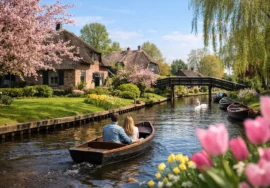
That last detail matters. Dutch villages are shaped by canals, dikes, harbors, and wet landscapes. Wooden houses in this setting feel grounded in the environment. They are not standing alone as mountain cottages or forest cabins. They belong to low skies, reflective water, clipped gardens, and villages designed around practical beauty.
For travelers, that creates a very specific visual romance. It is neat without feeling stiff, historic without feeling distant, and picturesque without trying too hard.
How to plan a day around wooden houses from Amsterdam
If you are staying in Amsterdam, the easiest approach is to treat wooden houses as part of a countryside day trip rather than a standalone mission. Most visitors do not need an entire day devoted only to architecture. What they want is a full Dutch experience with wooden houses as one of the highlights.
That usually means pairing them with windmills, cheese tastings, harbor villages, or scenic ferry connections. Zaanse Schans works particularly well because it delivers several icons at once. Marken and Volendam are ideal if you want a more romantic village-hopping atmosphere with waterfront views and a slower rhythm.
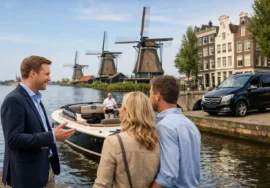
The real question is how much planning you want to do yourself. Public transport is possible, but connections between smaller villages can eat into your day. Parking can also become part of the story if you are driving. For couples, families, or friends who want the charming version of Dutch countryside travel without juggling schedules, a curated day trip is often the smarter move. Holland Experience, for example, builds exactly that kind of stylish countryside outing from Amsterdam, turning separate stops into one smooth and memorable day.
Best time to visit wooden house villages
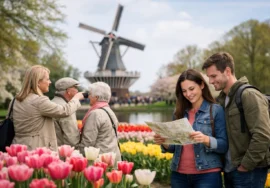
Spring is the obvious favorite, and it earns the spotlight. The air feels fresh, the light is flattering, and the countryside pairs beautifully with tulip season. If you are already planning Keukenhof or a spring Amsterdam escape, adding a wooden-house village gives your trip another layer of classic Dutch charm.
Summer is lively and green, with long daylight hours that make day trips feel generous and relaxed. The downside is larger crowds, especially in famous spots.
Fall can be surprisingly romantic. The light turns softer, villages feel calmer, and photos often come out richer and moodier. Winter is quieter still, and while gardens are less colorful, the villages can feel intimate and deeply atmospheric. If you prefer cozy over busy, this season has real appeal.
Tips for visiting without rushing the experience
The most common mistake is treating these villages like quick checkboxes. Wooden houses reward slow looking. Give yourself time to notice details – shutters, reflections in the water, tiny bridges, painted trim, flower boxes, and how the buildings sit together as a complete streetscape.
Go early if you can. Morning light is lovely, and the quiet changes everything. Wear shoes you can comfortably walk in, because the best moments usually happen between the headline sights. And if photography matters to you, cloudy days are not a problem. Dutch wooden houses often look beautiful in soft light, where the colors appear deeper and less harsh.
One more thing: respect that some of these villages are lived in. That means keeping voices low on residential streets and remembering that the charm you came to see depends on real communities staying livable.
Are wooden house villages worth it if you only have a few days?
Yes – especially if your Netherlands trip is built around iconic scenery and memorable atmosphere. Wooden house villages offer something Amsterdam does not: open space, regional character, and that cinematic countryside beauty many visitors imagine before they arrive.
If you only have two or three days in the country, choose one well-planned excursion rather than trying to force too many rural stops into your schedule. A single day with windmills, village lanes, waterfront views, and traditional wooden homes can feel richer than several rushed outings.
The best travel moments in the Netherlands often come from contrast. After the city, these villages feel like stepping into a quieter chapter of the same story – polished, charming, and full of hidden treasures if you know where to look. If wooden houses are calling you, follow them. They have a way of turning a simple day trip into one of the memories that stays with you longest.