Guide to Dutch Countryside Day Trip Logistics
You can absolutely wake up in Amsterdam and be standing beside a windmill, a tulip field, or a quiet canal village before lunch. The catch is that a guide to Dutch countryside day trip logistics matters more than most travelers expect. The Netherlands looks small on the map, but one missed train, one overpacked itinerary, or one badly timed transfer can turn a charming day into a rush.
The good news is that countryside day trips here are wonderfully doable when the planning is smart. If your goal is beauty without friction, think less about distance and more about pacing, transfer points, and what kind of day you actually want to have.
Why Dutch countryside day trips feel easy – until they don’t
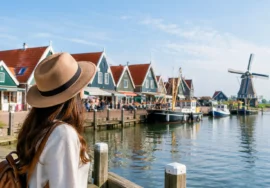
From Amsterdam, many of the country’s most iconic sights are close enough for a day trip. That is the dream. You can reach windmills, fishing villages, tulip gardens, and storybook towns without changing hotels or dragging luggage around.
What catches visitors off guard is the way small logistics stack up. A place may be only 30 or 60 minutes away, but if it requires a train, then a bus, then a walk, your real travel time stretches. Add ticket lines, seasonal crowds, and fixed closing hours, and suddenly a “quick trip” needs more structure than expected.
That is why the best countryside days are crafted, not crammed. You want enough time for photos, lunch, and those lovely unplanned moments, not just proof that you were there.
Guide to Dutch countryside day trip logistics from Amsterdam
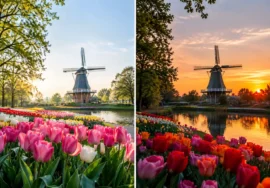
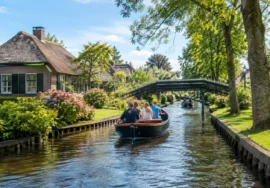
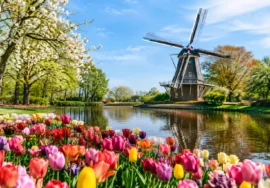
If Amsterdam is your base, start by choosing one anchor destination, not three. Zaanse Schans works well for a half-day or relaxed full day. Volendam pairs naturally with Marken or Edam. Keukenhof is seasonal and often combines beautifully with a nearby countryside stop if your timing is tight. Giethoorn is farther and deserves a full day on its own.
This is where logistics become style. A shorter destination gives you more freedom to linger. A longer one gives you more wow factor but less room for detours. Neither choice is wrong. It depends on whether you want a slow, romantic day or a bigger headline experience.
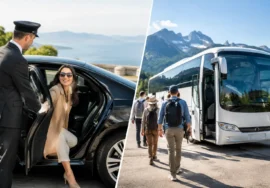
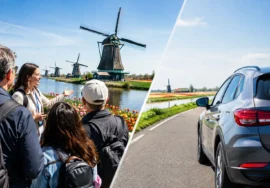
For most travelers, there are three realistic transport approaches. Public transportation is efficient and often affordable, but it requires attention to schedules and transfer timing. Driving gives flexibility, especially for couples or families, but parking and navigation can chip away at the ease people imagine. A curated tour is the least stressful option when you want transport, entry planning, and route design handled for you.
Public transportation – best for simple routes and confident planners
Dutch trains and buses are reliable, and many countryside spots are connected well enough for independent travel. If you are heading somewhere straightforward, this can be an excellent option. Zaanse Schans, for example, is relatively simple from Amsterdam. Volendam is also manageable, though it usually depends on bus timing.
The trade-off is that public transportation works best when your day has a clear shape. If you are trying to chain together multiple villages with perfect timing, the charm can wear off fast. Missing one connection in a rural area is not disastrous, but it can quietly eat an hour.
Renting a car – best for flexibility, not always for ease
A car sounds romantic, and sometimes it is. You can pull over for a scenic stop, move at your own pace, and reach places with fewer transfers. This can be especially appealing for small groups or travelers who want to see hidden treasures beyond the standard route.
But flexibility is not the same as simplicity. Dutch roads are good, yet city pickups, parking fees, and village parking limitations can make the day feel less carefree than expected. If your route includes high-demand stops in peak season, driving can save time in one part of the day and waste it in another.
Guided day trips – best for comfort and tight vacation schedules
If you have a short stay in Amsterdam, this is often the smartest answer. A well-crafted tour removes the parts travelers tend to underestimate: timing entry windows, reading bus platforms, comparing route options, and deciding what is worth combining.
This is especially valuable for places like Keukenhof in spring or Giethoorn on a busy weekend, where demand and timing shape the whole experience. Holland Experience is built around this kind of day – iconic countryside highlights, thoughtful pacing, and the kind of planning that lets you enjoy the enchantment instead of managing it.
Timing matters more than distance
When planning your guide to Dutch countryside day trip logistics, the clock matters as much as the map. Many travelers make the mistake of calculating only travel duration. What really matters is door-to-door timing from your hotel to your first meaningful moment.
A destination that looks “close” may still require a 20-minute walk from the station, a wait for the next bus, and a line at the entrance. That is why early departures usually pay off. You beat the heaviest crowds, get softer light for photos, and create breathing room later in the day.
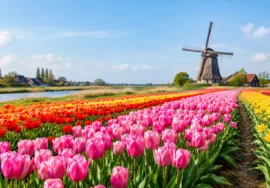
Season matters too. Keukenhof is a spring icon, but it is not a year-round option. Tulip field viewing depends on bloom timing, which shifts with weather. Coastal villages can feel breezy and quieter in shoulder season, while summer brings longer days and more visitors. Giethoorn is magical in warmer months, but boat traffic can make midday feel very different from early morning or late afternoon.
How much can you fit into one day?
Usually less than you think, and that is not bad news. The Dutch countryside is best when it feels cinematic, not scheduled to the minute.
A very comfortable day trip includes one major stop and one smaller companion destination. Zaanse Schans and Volendam can work together if transport is planned well. Keukenhof and a nearby village can also make sense during tulip season. Giethoorn is usually better on its own because the journey is longer and the setting deserves time.
Trying to add too much creates a strange result: you see more names on paper but remember less of the day. The better question is not “How many places can I cover?” It is “What do I want this day to feel like?”
If the answer is windmills, cheese tastings, and lively village energy, build around that. If the answer is peaceful canals and slower beauty, choose a route that protects that mood.
Tickets, entry times, and hidden friction points
Countryside logistics are not only about transportation. Entry planning can shape the whole day, especially at seasonal or high-demand attractions.
Keukenhof is the clearest example. You do not want to arrive late, face a crowded transport queue, and lose your best walking hours inside the gardens. The same logic applies to boat rentals in Giethoorn, where midday demand can change the rhythm of your visit. Even in places without formal timed entry, restaurants fill up, ferry schedules matter, and the most photogenic streets are calmest at certain hours.
This is why pre-booking often pays off. Not because every stop is impossible without it, but because advance planning protects the atmosphere of the day. There is a big difference between a countryside outing that feels effortlessly charming and one spent checking your phone every 20 minutes.
What to pack for a smoother countryside day
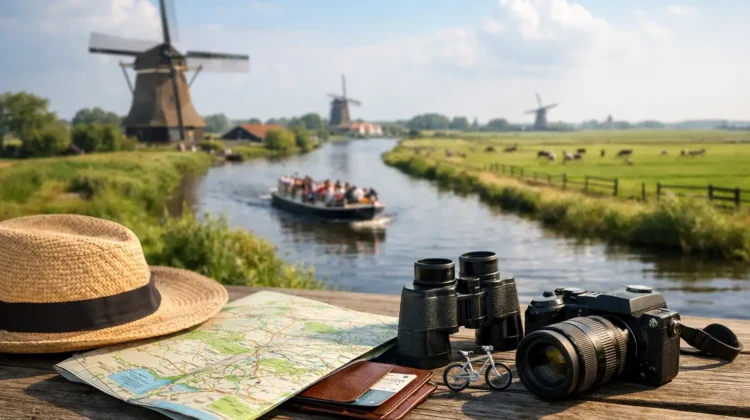
Pack lighter than you think, but smarter. Comfortable walking shoes matter more than stylish ones on cobblestones, village paths, and garden routes. A light waterproof layer is almost always wise in the Netherlands, even on days that begin with blue skies.
Bring a portable charger if you are relying on maps, tickets, and photos. Keep a little buffer in your bag for snacks or a small purchase, especially if you are heading to places known for local treats or handmade goods. If your day includes a boat ride or open countryside, an extra layer can make the difference between cozy and chilly.
The best logistics plan is the one that protects the magic
There is a reason travelers dream about the Dutch countryside. It delivers exactly the images people hope for – turning windmills, glossy canals, flower fields, tidy villages, and old-world charm that feels almost staged for romance. But the experience only feels effortless when the planning underneath it is solid.
So be selective. Leave room in the schedule. Choose transportation based on comfort, not just price. And if you want the day to feel beautifully crafted from the moment you leave Amsterdam to the moment you return, let logistics serve the story instead of stealing the spotlight.
A countryside day trip should feel like a highlight of your vacation, not a puzzle you solved before dinner.