
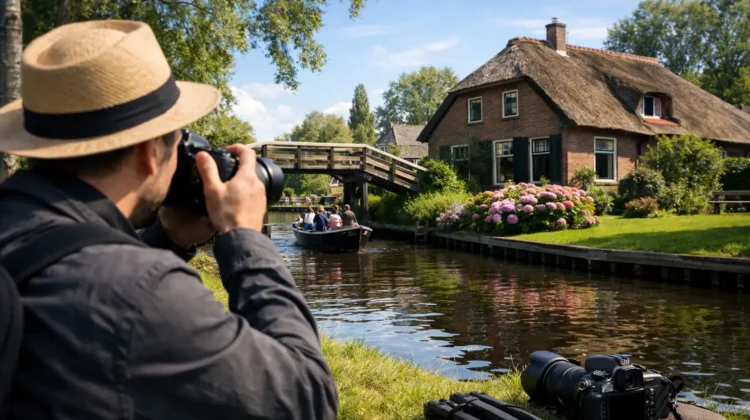
Giethoorn Day Trip for Photographers Itinerary
If you only have one day to photograph Giethoorn, timing matters more than gear. A well-planned Giethoorn day trip for photographers itinerary can mean the difference between crowded canal snapshots and the kind of quiet, storybook frames that make this village feel almost unreal.
Giethoorn is one of those rare places that rewards patience. The canals are calm, the thatched-roof farmhouses seem styled by nature itself, and every small bridge gives you a new composition. But it is also popular, especially from late morning through mid-afternoon. For photographers, that creates a clear strategy – arrive early, move thoughtfully, and build the day around light rather than just landmarks.
Why a Giethoorn day trip for photographers itinerary needs structure
This is not the place to wander in at noon and hope for magic. Giethoorn is compact, but the best shots are shaped by atmosphere: mist over the water, soft side light on the bridges, reflections before boat traffic picks up, and quieter lanes when day-trippers are still on the road.
That is why an itinerary works so well here. Instead of rushing through the village, you can photograph it in layers. Start with the classic canal scenes, shift into details once the village gets busier, then return to wide frames later in the day when the light softens again. It feels more relaxed, and your gallery will look far more intentional.
For travelers based in Amsterdam, this kind of structured day also removes friction. Rather than spending energy on train changes, parking, or figuring out where the village starts, a curated trip leaves more room for what you came for – beautiful frames and a memorable day in the Dutch countryside.
The ideal one-day photography schedule in Giethoorn
7:30 AM to 9:30 AM – Travel and early arrival
The best Giethoorn photographs often happen before the village fully wakes up. If you can arrive early, you will have the footpaths, bridges, and waterside cottages in their most elegant light. Early morning is especially flattering in spring and summer, when the greens look fresh and reflections stay cleaner.
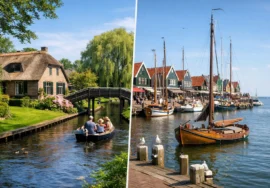
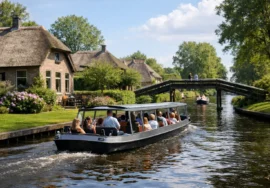
This first window is for wide shots. Look for leading lines created by the narrow canals, low wooden bridges, and boats tied neatly at the edge of the water. Keep your pace slow. Giethoorn is not about checking off sights. It is about noticing how reeds bend into the frame, how flowers soften a facade, and how still water turns a simple house into a double image.
If you are traveling as part of a curated day trip, this is where the comfort factor really pays off. A smooth departure from Amsterdam gives you a better chance of reaching the village when it still feels intimate rather than busy.
9:30 AM to 11:30 AM – Classic viewpoints before peak crowds
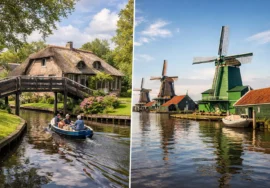
Once the village becomes more active, focus on the famous postcard compositions while foot traffic is still manageable. The central canal stretches and arched bridges are worth your time because they are iconic for a reason. The trick is to work them with intention.
Shoot both wide and tight. A wider frame captures the village atmosphere, while a tighter crop can isolate a boat, a window box, or the texture of a thatched roof. If the light is getting stronger, angle yourself so the sun creates shape rather than flattening the scene. Side light tends to be more forgiving than front light here.
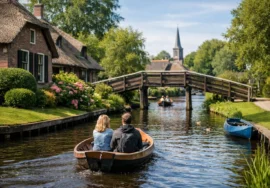
This is also a smart moment for a few people-in-the-scene photographs. A couple crossing a bridge, someone stepping into a whisper boat, or a family framed by flowers can add warmth and scale. Giethoorn looks romantic when it is gently inhabited, not empty at all costs.
11:30 AM to 1:00 PM – Boat-based photography
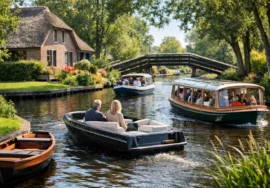
Seeing Giethoorn from the water changes everything. From a boat, the village feels more cinematic, and you get access to low-angle compositions that are difficult from the walking paths. If your day trip includes a canal cruise or private boating element, this is one of the most rewarding parts of the itinerary for photographers.
There is a trade-off, though. Midday light is rarely the dreamiest, and boats introduce motion. That means this stretch is better for storytelling than for chasing technically perfect golden-hour style images. Photograph details that suit the brighter light: boathouses, flower boxes, reflections under bridges, and repeating shapes along the canal edge.
If you are handholding, keep your shutter speed a little higher than usual. A polarizing filter can help with glare on the water, but it may also reduce reflections that you actually want, so use it selectively rather than automatically.
What to photograph when the light gets harsher
1:00 PM to 3:30 PM – Details, textures, and hidden corners
This is when many visitors make the mistake of forcing more wide scenic shots. In stronger afternoon light, Giethoorn is often better approached through details. Shift your attention from the whole village to the pieces that give it character.
Look for weathered wood, old boats, reflections in partial shade, garden gates, bicycle baskets, and layered greenery around the canals. Thatched roofs are especially photogenic when you let the texture become the subject. A medium zoom or prime lens works beautifully here because it helps you simplify the frame.
This is also the right time to leave the busiest stretches and seek quieter corners. Some of the most charming photographs come from side paths that feel less obvious. The village still carries its magic there, just with fewer people stepping into the shot every few seconds.
If you prefer shooting portraits or couple photos, this period can work surprisingly well in shaded spots. Soft open shade near a bridge or cottage garden can create a polished, editorial look without needing much setup.
Gear that makes sense for a Giethoorn photo day
You do not need a huge kit. In fact, Giethoorn is easier to enjoy when you travel light. A standard setup with a wide-to-medium zoom and one fast prime is enough for most photographers.
A wide lens helps with canal scenes and bridge compositions, but going too wide can make the village feel less intimate. A 24-70mm style range is often the sweet spot. Add a 35mm or 50mm prime if you love details, portraits, or lower-light work later in the day.
Bring extra batteries and a lens cloth. Water, changing weather, and constant shooting can wear through both faster than expected. A tripod depends on your style. It can be useful in early or late light, but it can also become a burden on narrow walkways. For most day-trippers, handheld is the more comfortable choice.
3:30 PM to 5:30 PM – Return to signature scenes in softer light
Late afternoon is your second big opportunity. This is the moment to revisit the views you liked earlier and shoot them better. The light softens, contrast drops, and the village begins to feel graceful again after the busier middle of the day.
This is where your earlier scouting pays off. You already know which bridge had the cleanest line, which canal offered the best reflection, and which cottage looked strongest from the water or footpath. Instead of wandering, you can move decisively between your favorite locations.
Try shooting lower than usual to emphasize reflections, or wait a little longer for a boat to enter the frame and bring life to the scene. Giethoorn rewards restraint. Sometimes the best photograph comes five minutes after you first think the moment has passed.
Practical timing tips that make the day smoother
A few choices shape the whole experience. Weekdays are usually easier than weekends if you want quieter frames. Spring and early summer bring lush gardens and fresh color, while early fall can add moodier tones and softer crowds. Winter can be beautiful too, but the look is much barer and the weather is less forgiving.
If your trip starts in Amsterdam, choosing a pre-arranged excursion can be the most elegant option, especially if you want the day to feel polished rather than logistical. Holland Experience is a strong fit for travelers who want countryside charm without the planning puzzle, particularly if comfort and curated pacing matter as much as the destination itself.
One more thing – leave room for spontaneity. Even the best photography itinerary should feel crafted, not rigid. A sudden patch of mist, a quiet canal bend, or a perfect reflection after a passing boat can become the image you remember most.
Giethoorn is at its best when you let the village reveal itself slowly. Give the light time to change, give yourself time to notice the hidden treasures, and your camera will come home with more than pretty pictures – it will bring back the feeling of the day.

Pingback: Best Photo Spots in the Netherlands for Canals and Windmills – imagec.at