
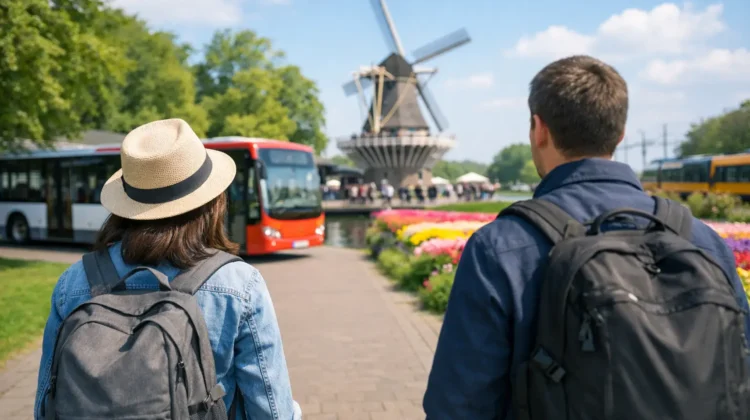
How to Visit Keukenhof Without a Car
If you are wondering how to visit Keukenhof without a car, the good news is that you do not need to wrestle with Dutch parking, rental paperwork, or spring traffic to enjoy one of the most beautiful days in the Netherlands. Keukenhof is built for day-trippers, and from Amsterdam especially, it is very possible to reach the gardens by public transport or by joining a curated tour that turns logistics into a much lighter lift.
For most visitors, the real question is not whether Keukenhof is reachable without a car. It is which no-car option gives you the kind of day you want. Some travelers want the cheapest route. Some want the simplest route. Others want a more polished, story-rich outing that feels like part of the vacation rather than a transportation puzzle. That difference matters.
How to visit Keukenhof without a car from Amsterdam
If Amsterdam is your base, you have three realistic choices. You can take public transport all the way, combine train and Keukenhof shuttle bus, or book a tour that includes transportation and entry. All three work, but they create very different days.
Public transport is the most independent option. You will usually travel by train or metro toward Schiphol, Leiden, or Haarlem, then switch to a seasonal Keukenhof bus. This is manageable, but it does require paying attention to timing, transfer points, and return schedules. During peak bloom, buses are frequent, yet stations can still feel crowded.
A shuttle-style ticket is often the sweet spot for visitors who want structure without committing to a full guided day. You still make your way to the departure point, but after that the trip is straightforward. You skip the guesswork of local bus fares and know that your ride is designed around Keukenhof visitors.
A tour is the easiest route if your priority is comfort, timing, and getting more out of the day. Instead of piecing together trains, buses, and entry tickets, you leave from Amsterdam and arrive ready to enjoy the gardens. For couples, families, and short-stay travelers, this is often the difference between a lovely spring day and a day spent checking transit apps on a station platform.
The easiest public transport routes
Keukenhof sits in Lisse, between Amsterdam, Haarlem, and Leiden, which is why there is no single direct train to the entrance. The last stretch is usually by bus.
One of the most common routes is via Schiphol Airport. This tends to be convenient for visitors staying in Amsterdam because Schiphol is easy to reach by train, and in Keukenhof season it serves as a major departure point for buses going straight to the gardens. If you want a simple public transport plan with minimal transfers, this is often the best one.
Leiden Centraal is another popular gateway. It can be a smart choice if you are already staying in the southern part of the country or want to combine Keukenhof with Leiden. The ride from Leiden to the gardens is direct during the season, but from Amsterdam it usually means an extra train leg first.
Haarlem can also work, especially if you want to shape your day around more than just Keukenhof. It is a charming city and pairs beautifully with tulip season, but in pure convenience terms it is usually less direct than traveling via Schiphol.
The trade-off with public transport is simple. It is flexible and often budget-friendly, but it asks more from you. You need to watch the time, confirm the seasonal bus is running, and accept that sunny days in peak bloom can mean lines.
What a Keukenhof bus ticket really saves you
Many travelers see a bus ticket as just transportation, but during tulip season it saves something more valuable than money – attention. A dedicated Keukenhof bus option cuts down decision-making. You know where you are going, you know the route is seasonal and purposeful, and you are less likely to end up on the wrong platform wondering whether you missed your stop.
This matters most if you are visiting on a tight Amsterdam itinerary. If you only have three or four days in the Netherlands, every transfer feels bigger. A direct seasonal bus keeps the day focused on blooming flower beds, themed pavilions, and those wide, cinematic paths through color, not on working out local transit logic.
It is also worth noting that Keukenhof is not just the gardens. Many visitors want to see surrounding tulip fields, stop for photos, or combine the outing with another Dutch highlight. Once you start stretching the day beyond a simple out-and-back visit, transport planning becomes more layered.
Why tours appeal to short-stay travelers
There is a reason so many visitors choose an organized Keukenhof day trip from Amsterdam. It is not only about ease. It is about protecting the mood of the day.
Keukenhof is one of those places people picture long before they arrive in the Netherlands. It is romance, color, spring light, and classic Dutch beauty in one place. When you have built a dream day around that image, there is a lot to be said for a departure that runs on time, entry that is already arranged, and an itinerary crafted to feel smooth from the first mile.
This is especially true for travelers who want a little more than transport. Some tours pair Keukenhof with countryside favorites such as windmills or storybook villages, turning one iconic attraction into a fuller Holland experience. That kind of combination can be difficult to recreate on your own without rushing.
For visitors who prefer an elevated day, Holland Experience offers the kind of curated outing that feels polished rather than packaged. That means less effort spent coordinating and more time actually enjoying the season.
Best time of day to go
No matter how you choose to visit, timing changes the experience.
The quietest feeling usually comes earlier in the day, especially on weekdays. Morning light is also beautiful for photos, and the gardens feel fresher before the midday rush. If tulips are high on your must-see list, an early departure is worth it.
Late morning and early afternoon are often the busiest periods. This does not make the visit less beautiful, but it can affect the atmosphere in the most popular sections, indoor pavilions, and photo spots.
A later afternoon visit can be appealing if you prefer a softer pace and do not mind a shorter stay. Crowds sometimes ease, and the lower light can be gorgeous. The only caution is that you need to be more mindful of return transportation, especially if you are relying on public buses and train connections.
A few practical details people forget
The biggest planning mistake is assuming Keukenhof works like a city museum. It does not. It is seasonal, weather-dependent in feeling, and connected to transport that gets busier as the flowers peak.
Buy your entry and transport in advance whenever possible. Spring weekends fill quickly, and last-minute planning gives you fewer choices. Wear comfortable shoes because the gardens are larger than many first-time visitors expect. Bring layers too. Dutch spring can move from sunshine to chill in one afternoon.
If you are hoping for endless tulip field photos, remember that the famous rows in the surrounding region are agricultural fields, not part of the main garden itself. Keukenhof delivers beautifully designed displays, landscaped paths, and pavilion exhibits. The larger flower-region experience often comes from what you see on the way there or as part of a broader excursion.
Is visiting Keukenhof without a car worth it?
Absolutely. In fact, for many visitors, going without a car is the better choice. You avoid parking stress, navigate less, and free yourself to simply enjoy the day. The Dutch transport network is strong, and Keukenhof season is set up to welcome people arriving by bus and train.
The better question is how much convenience you want to buy into. If you are confident with public transit and enjoy independent planning, the train-and-bus route works well. If you want a cleaner, simpler experience, a shuttle is a smart middle ground. If you want the day to feel crafted, comfortable, and worthy of a special spring trip, a tour is often the most rewarding option.
Keukenhof has a way of making people slow down. You notice the curve of a path, the color layering in the flower beds, the way a garden can feel almost theatrical in spring. Getting there without a car is not a compromise. Done right, it is the start of a more relaxed and more enchanting day.
