Traditional Dutch Crafts Tour From Amsterdam
The scent of fresh wood shavings in a clog workshop, the shine of hand-painted Delft blue, the rich taste of farm-made cheese – a traditional dutch crafts tour is one of the most charming ways to see the Netherlands beyond Amsterdam. It turns a simple day trip into something far more memorable: a chance to watch old skills still practiced by hand, meet the makers behind them, and experience the countryside with a little more story and style.
For many travelers, that is the real magic. You are not just looking at pretty villages from a bus window. You are stepping into workshops, hearing how these traditions survived, and seeing how Dutch identity is still shaped by water, trade, farming, and design. If your time in the Netherlands is short, this kind of tour gives you iconic scenery and cultural depth in one easy itinerary.
What makes a traditional dutch crafts tour special
A lot of countryside tours show you windmills, canals, and postcard-perfect houses. Those are worth seeing, of course. But a traditional dutch crafts tour adds texture to the day. You do not just pass through historic villages – you understand what people made there, how they lived, and why those crafts became symbols of Holland.
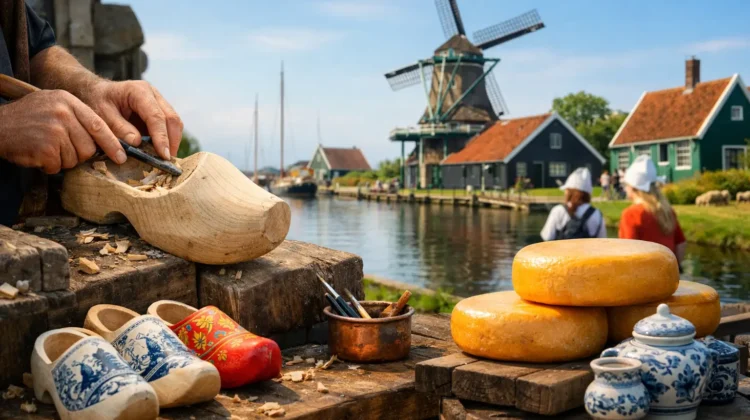
The best tours usually center on a few signature experiences. Clog making is the obvious favorite, and for good reason. Watching a block of wood become a wearable shoe in minutes is surprisingly impressive, and the demonstration is usually lively and fun. Cheese making adds another layer, especially when you can taste the difference between factory products and local farm recipes. Then there is Delft pottery, where the hand-painted detail reveals a more refined side of Dutch craft history.
What makes these stops shine is the setting around them. A workshop in a windmill village feels very different from one in the city. So does a cheese farm near green pastures and grazing cows. The atmosphere matters. It slows the day down just enough to make it feel romantic instead of rushed.
Where to go on a traditional dutch crafts tour
If you are starting in Amsterdam, several destinations fit beautifully into one curated route. The right choice depends on whether you want a classic first-time experience or something a little more tailored.
Zaanse Schans for windmills and craft demos
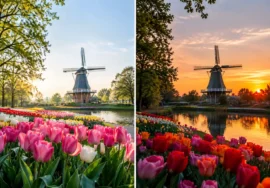
Zaanse Schans is often the first stop travelers picture, and it earns that reputation. The historic windmills, wooden houses, and waterside paths create one of the most photogenic landscapes in the country. It is also one of the easiest places to combine scenery with traditional craftsmanship.
Here, you can often see clog-making demonstrations and artisan workshops in a compact area, which makes the visit feel smooth and efficient. For first-time visitors, that convenience is a huge advantage. You get the big Dutch visuals and the craft element without spending hours in transit.
The trade-off is popularity. Zaanse Schans can be busy, especially in high season and around midday. If you prefer a quieter, more intimate pace, it helps to go early or choose a more curated itinerary that balances the famous stop with smaller villages.
Volendam and Marken for living heritage
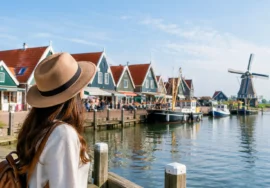
Volendam brings a different mood. It is colorful, lively, and rooted in fishing tradition, with a harborfront that feels made for lingering. While it is best known for maritime charm, it also pairs well with cheese tastings and regional craft experiences nearby.
Marken, with its wooden homes and old-world feel, adds that storybook atmosphere many visitors hope to find. Together, these villages work well for travelers who want craft traditions woven into a broader cultural day out. The emphasis here is not only on watching demonstrations, but also on experiencing how Dutch village life developed around local trades and community identity.
Delft for pottery and design lovers
If your interest leans more artistic than rustic, Delft is the natural choice. This is where the traditional blue-and-white pottery style became world-famous, and seeing it in context gives it far more meaning than spotting a souvenir in a gift shop.
A stop in Delft suits travelers who enjoy elegant town centers, canal views, and a more polished craft story. It is less about farm life and more about design heritage, painting techniques, and centuries of Dutch commerce. For some visitors, this feels more refined. For others, it may miss the rustic countryside charm they expected. It really depends on the kind of Dutch experience you want.
What to look for in the best itinerary
Not every craft-focused day trip feels equally special. Some are little more than quick shopping stops dressed up as cultural visits. The strongest itineraries give each experience room to breathe.
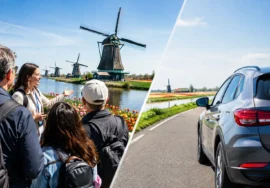
Look for a route that combines at least two or three distinct traditions, such as clogs, cheese, and pottery, with scenic stops that make the day feel cohesive. Transport matters more than most travelers expect. A beautifully planned tour from Amsterdam saves energy, keeps the pace relaxed, and leaves more room for the moments you will actually remember.
It is also worth paying attention to group size. A larger coach tour can cover the highlights at a lower price, but it may feel more transactional. A small-group or private option creates a more polished experience, especially for couples, families, or friends celebrating something special. You get more flexibility, less waiting, and a day that feels crafted rather than crowded.
That is often where premium touring stands out. A well-designed excursion can turn famous stops into hidden treasures simply by managing timing, sequencing, and atmosphere more thoughtfully. Holland Experience, for example, builds day trips around that sense of comfort and charm, which makes a real difference when you want a countryside outing to feel easy and elevated.
How long should a traditional dutch crafts tour be?
For most travelers, a half-day tour works if you only want one major area such as Zaanse Schans. It is a smart choice when your Amsterdam itinerary is already full and you still want a taste of traditional Holland.
A full-day tour is usually the better option if you want a richer experience. It gives you time for multiple villages, proper demonstrations, scenic photo stops, and a leisurely lunch rather than a rushed snack between buses. If you are visiting from the US and trying to make the most of a short vacation, that fuller itinerary usually delivers better value.
Private tours are especially appealing if pacing matters to you. Maybe you want more time in a pottery workshop, fewer souvenir stops, or a quieter lunch by the water. That flexibility can be worth the higher price, particularly for small groups who want a more personal day.
Best time to book your traditional dutch crafts tour
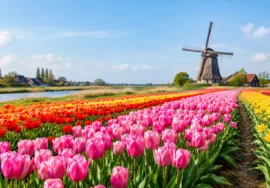
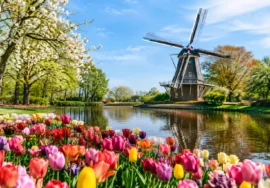
These tours run well in most seasons, but the mood changes throughout the year. Spring is the most romantic pairing if you also want tulip season in your trip. The countryside feels especially vivid, and the contrast between blooming fields and historic villages is hard to beat.
Summer brings long days and lively energy, though also bigger crowds. Fall can be lovely for travelers who prefer a calmer atmosphere and softer light for photos. Winter has its own charm too, especially in villages where the old wooden houses and workshops feel even cozier.
The practical advice is simple: book early if you are traveling in peak months or want a small-group experience. The more curated the tour, the less likely it is to have last-minute availability.
A few smart expectations before you go
Craft tours are enjoyable for a wide range of travelers, but they are not all the same. Some focus on entertainment and quick demonstrations. Others lean into history and artisan detail. Families may prefer something more visual and interactive, while couples often enjoy a slower, more scenic route with time to wander.
It also helps to be realistic about shopping. Yes, there will usually be chances to buy clogs, cheese, or ceramics. That can be fun, and often the quality is genuinely good. But the best tours make the shopping feel secondary to the experience itself.
Wear comfortable shoes, keep your camera ready, and leave room in your suitcase if you think you will fall for a hand-painted piece or a round of aged Gouda. More than anything, come ready for a day that feels charming rather than hurried.
A traditional dutch crafts tour is one of those rare travel experiences that feels both iconic and personal. You get the windmills and village views you came for, but you also come home with stories – how clogs are carved, why Dutch cheese matters, how pottery became an art form, and why these traditions still feel alive. That is what turns a good day trip into something unforgettable.