
Amsterdam Summer Travel Guide
You arrive to long daylight and warm days, when canals, terraces and bike lanes pulse with activity; this Amsterdam Summer Travel Guide helps you plan efficient routes, choose top museums and outdoor markets, time canal cruises, and avoid peak crowds. Expect open-air festivals, relaxed café culture, and easy access to leafy parks and nearby beaches. Pack layers for variable weather, book popular attractions in advance, and use cycling or public transport to maximize your time.
Key Takeaways of this Amsterdam Summer Travel Guide:
- Warm, changeable weather—sunny days with occasional showers; pack layers and a light rain jacket.
- Abundant outdoor terraces and canal-side seating, perfect for people-watching and al fresco dining.
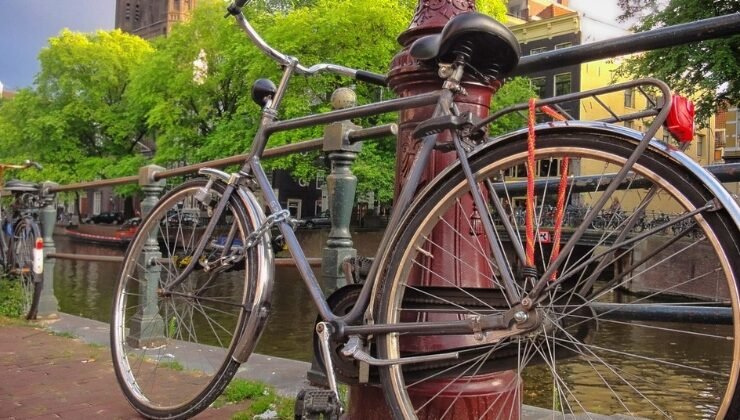
- Cycling is the main transport—rent a bike, use bike lanes, and secure it with a good lock.
- High tourist volumes—book major museums, Anne Frank House, and popular tours in advance.
- Long daylight hours and vibrant nightlife with summer festivals, open-air concerts, and street markets.
- Top activities in the Amsterdam Summer Travel Guide: canal cruises, picnics in Vondelpark, and exploring historic neighborhoods by foot or bike.
- Easy day trips to nearby beaches (Zandvoort), seasonal tulip fields, and charming towns like Haarlem.
Sun-Kissed Canals: A Visual Symphony
Exploring the Vibrant Blooms of Summer
Along the Singel between Koningsplein and Muntplein the floating Bloemenmarkt, operating since 1862, lines the canal with a summer palette of geraniums, begonias, lavender and potted herbs — highlights every Amsterdam Summer Travel Guide should mention. Gardens at Hortus Botanicus, which houses more than 4,000 plant species, and public beds in Vondelpark showcase dahlias and sunflowers in July and August, giving you clear seasonal contrasts to photograph or catalogue for planting ideas back home.
You’ll find the best light for plant portraits in the early morning or late afternoon when shadows are soft and stallkeepers are arranging displays; many Bloemenmarkt stalls open around 09:00 and thin out after 17:00. Carry a small folding trolley or sturdy tote if you plan to buy larger pots, and consider joining a guided walking tour focused on urban gardens — those tours often point out hidden courtyard plantings and give practical tips on where to source native varieties and potting soil in Amsterdam.
Capturing the Essence of Amsterdam’s Canals is essential for any Amsterdam Summer Travel Guide.
The 17th-century canal belt you’ll wander through stretches roughly 100 km and is threaded by about 1,500 bridges; framing shots that include a named canal—Herengracht, Keizersgracht or Prinsengracht—adds historical context to your images. Look for repeating elements: narrow gabled facades, cast-iron bridges, and lines of moored houseboats that create rhythmic leading lines. Use reflections in the water to double the scene—angling your composition to include both bank and mirror image often produces the most striking summer shots.
For gear, a 24–70mm zoom covers wide canal vistas and tighter architectural details while a 35mm prime is ideal for low-light terrace scenes; set aperture between f/5.6–f/11 for depth and sharpness. Golden hour—roughly an hour after sunrise and the hour before sunset in July and August—bathes brickwork in warm tones, and long exposures of 1–2 seconds with a tripod will smooth the water and streak passing boats for a painterly effect. Key vantage points to scout: Magere Brug on the Amstel for iconic bridge reflections, Brouwersgracht for mirror-flat mornings, and the bridges near Westerkerk for views toward Prinsengracht and the Anne Frank House.
If you rent a small electric sloop to shoot from the water, expect rates commonly in the €35–€60 per hour range for basic rentals; arrive early to secure a low sun angle and quieter canals. Keep straps secured and use a weather-sealed bag—sudden summer showers can appear—and experiment with compositions that include cyclists and terraces to convey the human scale of the canal network rather than treating it as an empty landscape.
Iconic Festivals: Partying Dutch Style
Summer turns Amsterdam into a rolling calendar of events, from canal-borne parades to open-air DJ stages that spill into the night. You’ll find gatherings spread across neighborhoods—canal banks, Vondelpark, Museumplein and club venues like Paradiso and Melkweg—so plan where you want to be each day and block out time for travel between sites.
Crowd navigation, ticketing tips, and insider tricks are all covered in this Amsterdam Summer Travel Guide, ensuring you don’t miss out on headline acts or free park concerts.
The Amsterdam Summer Festival: Dance and Music Extravaganza
The Summer Festival spans multiple weeks in high season and mixes genres across stages in parks, plazas and iconic venues; you’ll encounter everything from electronic back-to-back sets and indie bands to orchestral crossover nights. Major program spots include open-air stages on Museumplein and pop-up shows near Leidseplein, with the festival drawing tens of thousands across its program each year.
Ticketing runs from single-show tickets to festival passes, while a portion of the lineup is intentionally free—park concerts and daytime showcases let you sample acts without splurging. Buy headline tickets early, arrive 30–60 minutes before start times for good spots at outdoor stages, and use trams 1, 2 and 5 or bike parking near venues to avoid Circulation jams around central squares.
For a better experience, download the festival app for real-time schedule changes, map out back-to-back sets you want to catch, and plan meal breaks around set times since food stalls peak before headline acts; you’ll also benefit from a portable charger and a reusable water bottle—hydration lines are common at peak hours.
Culinary Delights: A Taste of Dutch Summer
Seasonal Treats: Indulging in Summer Specialties
Hollandse Nieuwe herring arrives with Vlaggetjesdag in mid-June, and you can sample the first catch at fish stalls and markets across the city—try it the traditional way from the tail or on a broodje with chopped onion. Dutch strawberries peak in June and July; pick up a box at Albert Cuyp Market (open Monday–Saturday) and pair them with fresh whipped cream or a scoop of artisanal vanilla from a nearby ijswinkel.
For food lovers, the Amsterdam Summer Travel Guide highlights day trips to Alkmaar’s cheese market and the Jordaan’s buzzing terraces for an unforgettable culinary journey.
New baby potatoes dressed with butter and dill, cherries from late June, and warm stroopwafels straight from a market vendor are summer staples you’ll find on street corners and at weekly markets. For a day trip, take the 40-minute train to Alkmaar (cheese market runs April–September) to watch the kaasdragers and sample aged and jonge Goudas you won’t see in typical Amsterdam shops.
Outdoor Dining: Al Fresco Experiences to Savor
Canal-side terraces in the Jordaan and Nine Streets offer classic people-watching and plates of shared bitterballen, while waterfront venues like Pllek in NDSM and Hannekes Boom serve relaxed picnic-style seating with river views. Café de Jaren’s wide terrace and the beer garden at Brouwerij ‘t IJ (next to the De Gooyer windmill) are dependable choices for sunlit lunches and craft brews; expect popular spots to fill up by early evening on weekends.
For a different angle, hire a small electric sloop to dine on the water—many rental companies cater to groups of 4–8 and you can bring local takeout from a market or order a catered platter from nearby deli counters. Vondelpark is ideal for self-catered picnics; grab poffertjes or kibbeling from food stalls, spread a blanket near the rose garden, and watch the sunset temperature dip toward the mid-teens Celsius.
Service on terraces is often relaxed but efficient in summer, with many cafés offering table service and some popular venues enforcing short sitting times after 20:00 to manage queues—book ahead for dinner if you want a specific canal-side table. You’ll save time by ordering local seasonal items (herring, fresh cheeses, strawberries) directly at market stalls or specialist shops, then bringing them to an outdoor spot for an authentic, budget-friendly al fresco meal.
Hidden Gems: Off the Beaten Path
Slip away from crowds and find hofjes, courtyard gardens, and local neighborhoods. The Amsterdam Summer Travel Guide recommends spots like Begijnhof, Amsterdamse Bos, and creative NDSM Wharf.
Exploring De Pijp or Spaarndammerbuurt adds texture to your trip, and the Amsterdam Summer Travel Guide suggests cycling between neighborhoods to get a feel for the real city.
Secret Gardens and Parks: Nature’s Retreats
Hortus Botanicus, founded in 1638, houses thousands of plant species across historic greenhouses and a palm greenhouse with a 19th-century atmosphere; you can spend an hour tracing rare succulents, the Victoria waterlily, and quiet benches away from the tourist crowds. Begijnhof’s enclosed medieval courtyard gives you a snapshot of old Amsterdam—look for the wooden house dating to the early 1500s and the tranquil chapel beside linden trees.
For something bigger, Amsterdamse Bos covers roughly 1,000 hectares on the city’s edge, offering canoe rentals, a goat farm (Ridammerhoeve), and cycling paths that get you into real woodland within 20–30 minutes from central stations. Smaller finds like Frankendael Park in Watergraafsmeer combine 18th-century estate gardens with seasonal markets and café terraces, ideal for a relaxed summer afternoon without the crowds.
Unique Neighborhoods: Discovering Local Vibes
De Pijp buzzes with food stalls and around 260 vendors at Albert Cuyp Market, where you can sample stroopwafels, cheeses, and Surinamese snacks as you shop; nearby Sarphatipark offers a shady pause between cafés. The Jordaan still rewards aimless wandering—narrow streets, independent galleries, and hofjes reveal centuries of working-class Amsterdam turned boutique-friendly. Spaarndammerbuurt showcases Amsterdam School architecture—don’t miss Het Schip museum for a focused examine that movement.
Hop on the free ferry from Central to NDSM Wharf and you’ll switch to a raw, creative landscape of street art, repurposed shipyards, and pop-up events; look for IJ-Hallen, Europe’s largest flea market, which attracts thousands on big weekends and is a treasure trove for vintage finds and curios. Houthavens and the redeveloped west docks offer rooftop terraces and modern waterfront housing if you want a contrast to the canal-ring aesthetic.
If you want to layer your exploration, cycle between neighborhoods—20 minutes usually connects De Pijp, Jordaan, and the Canal Belt—and plan a north-of-the-IJ detour for evening events; cafés like De Ceuvel and creative spaces at NDSM stay lively after sunset and give you an authentic feel for Amsterdam’s contemporary local scene.
Navigating the City: Transport Tips for Summer Explorers
Efficient mobility defines this Amsterdam Summer Travel Guide – use an OV-chipkaart or contactless bank card to tap on and off across GVB trams, buses and metros; day passes (24/48/72 hours) are handy if you plan multiple trips. Ferries across the IJ (Buiksloterweg, NDSM) are free and run every 5–10 minutes, which saves you a long detour when heading to Noord. Expect tram frequencies of roughly every 5–12 minutes on main lines during summer and heavier crowds around Centraal, Dam and Leidseplein during festivals.
Short hops under 3 km almost always come out faster by bike—average urban cycling speed is about 15 km/h—while trams are better for rain or longer cross-city trips; metro line 52 (Noord–Zuid) cuts a cross-town trip to under 10–15 minutes on many routes. Plan with the GVB or 9292 apps, and follow these quick practical tips:
- Tap with contactless or OV-chipkaart; if you forget to check out on trains you can end up charged for the max fare.
- Rentals from MacBike or Swapfiets run roughly €8–15/day for standard bikes, e-bikes typically €25–35/day.
- Peak crowd windows are roughly 07:30–09:00 and 16:00–18:30; avoid central transfers then where possible.
- Use the free IJ ferries to bypass Centraal’s exits and save time walking to Noord attractions.
Biking Through Amsterdam: The Ultimate Summer Adventure
Cycle routes like the Vondelpark loop (≈3.3 km) or the Amsterdamse Bos perimeter (several loops totaling 10+ km) give you quick access to green space and fewer tourists than the canal belt. Keep right on bike lanes, signal with your hand before turning, and cross tram tracks at a shallow angle to avoid slips; local cyclists average 12–18 km/h in mixed traffic, so pace yourself when navigating crowded streets.
Choose a sturdy lock (ART2/3 rated) and secure the frame to an immovable object—bike theft spikes in summer evenings; paid guarded bike parking at Centraal and main stations is available if you plan multi-hour stops. Consider an e-bike for longer day trips to Zaanse Schans or the coast; they cut effort and can extend your range to 30–50 km without fatigue.
Public Transport Insights: Maximize Your Travels
Tap behavior differs slightly by vehicle: you must check in and out on trams, buses and metros with OV-chipkaart or contactless; paper single tickets are limited and pricier. Metro lines 50–54 and the Noord–Zuid line 52 connect suburbs and key transfer points quickly—metro 52 alone shaves 10–15 minutes off many north–south trips. For regional escapes, trains to Haarlem take about 15–20 minutes and Zandvoort about 30–35 minutes from Centraal; buy an NS ticket or use contactless and check in/out at the platform readers.
Use the GVB app or 9292 for real-time delays and platform changes—during festival weekends the Night Network adds N-lines and extra late-night buses, typically running every 30–60 minutes. If you plan three or more journeys in a day, a 24-hour GVB pass generally becomes cost-effective versus single fares, and contactless payments eliminate the need to queue at ticket machines for short stays.
Optimize transfers by combining modes: take a short ferry across the IJ, jump on tram or bike for the last mile, and use metro for long cross-city legs; the result is faster door-to-door times and fewer ticketing headaches.
The smartest move is to combine a bike for inner-city trips with a 24–72 hour GVB pass and the free IJ ferries. This Amsterdam Summer Travel Guide to help you maximize time and money.
Final Words
Ultimately, the Amsterdam Summer Travel Guide captures the city’s lively blend of sunshine, canals, and cultural richness. Plan smart, balance iconic sights with hidden gems, and let festivals and markets shape your days.
This Amsterdam Summer Travel Guide reminds you: book attractions early, embrace cycling, and always leave time for spontaneous detours. Pack layers, respect locals, and enjoy the relaxed pace that defines Amsterdam in the summer.
FAQ
Q: What is the weather like in Amsterdam in the summer and what should I pack?
A: The Amsterdam Summer Travel Guide notes that the summers (June–August) are mild to warm with average highs 20–25°C (68–77°F); occasional heatwaves can push temperatures into the high 20s or low 30s°C. Expect changeable conditions: sunny spells, short rain showers and breezy days. Pack lightweight layers (T-shirts, a light sweater or cardigan), a waterproof jacket, comfortable walking shoes, a compact umbrella, sunscreen and a hat. If you plan to cycle, bring clothing you can move in and a small rain cover or packable poncho.
Q: What are the top attractions and best day-trip options during summer?
A: According to the Amsterdam Summer Travel Guide, prioritize the Rijksmuseum, Van Gogh Museum, Anne Frank House (book timed tickets in advance), canal cruises and wandering the Jordaan and De Pijp neighborhoods. Vondelpark is ideal for picnics and outdoor concerts. For day trips, consider Zaanse Schans for windmills and traditional crafts, Keukenhof (if visiting in early summer/late spring when open), the historic towns of Haarlem or Utrecht, and coastal beaches like Zandvoort and Bloemendaal for sunbathing, swimming and beach clubs.
Q: How is public transport and what about cycling etiquette?
A: According to the Amsterdam Summer Travel Guide, Amsterdam has an extensive, reliable public-transport network of trams, buses and metro operated by GVB; buy an OV-chipkaart, GVB day pass or use contactless payment. Cycling is the most common way to get around—rent bikes from reputable shops, follow cycle lanes, obey traffic signals and use hand signals for turns. Keep right, pass left, don’t stop in cycling lanes, lock your bike with a sturdy lock to a solid post and avoid pavement riding unless marked. Rush hours (08:00–09:30 and 16:00–18:30) are busy on main routes.
Q: Which summer events and nightlife options should I plan for?
A: Summer brings open-air concerts, festivals and cultural events: Amsterdam Pride and Canal Parade (late July/early August), Uitmarkt (end of August), various music and food festivals, and free concerts in parks. Nightlife centers in Leidseplein and Rembrandtplein with bars, clubs and late-night venues; Leidseplein skews touristy, De Pijp and Jordaan offer more local bars. Many events sell out—buy tickets early and check schedules. Night buses and late tram/metro services help with after-hours travel.
Q: Are there safety, legal or health tips visitors should know?
A: Amsterdam is generally safe but the Amsterdam Summer Travel Guide advises watching for pickpockets in crowded areas and on public transport—use a zipped bag and keep valuables secure. Follow local rules: public intoxication and open-container laws vary by area, cannabis is tolerated only in licensed coffee shops, and swimming in canals is discouraged except at designated spots. Lock bikes properly to avoid theft, heed cycling rules to avoid accidents, and be cautious near tram tracks. In emergencies dial 112; for non-urgent police matters use the local station or online reporting. Carry a copy of your ID and travel insurance details.

Pingback: 10 Best Tours in Amsterdam (Day Trips Included) | Holland Experience
Pingback: 20 Top-Aktivitäten in Amsterdam für 2026 | Holland Experience