
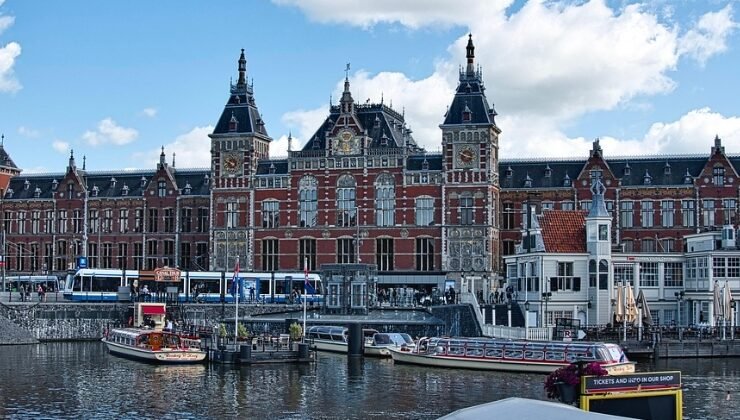
What’s New in Amsterdam in 2025?
What’s New in Amsterdam in 2025?
A Simple Guide to the City’s Latest Changes
Amsterdam 2025 is changing. It’s still the same city with canals, bikes, and museums—but there’s also a lot that’s new. If you’ve been before, it might feel different this time. If you haven’t, this could be a good year to go.
There are new buildings, events, and greener ways to get around. The city is trying to be more eco-friendly and easier to enjoy—for both locals and visitors. Here’s what you need to know.
What’s Changing in the City
New Buildings and Green Architecture
Several new buildings have gone up in 2025. Many of them are designed to use less energy and fit in with Amsterdam’s older architecture.
In IJburg, a newer neighborhood built on artificial islands, you’ll find housing made with eco-materials, solar panels, and smart energy systems. These homes aim to be better for the environment without giving up comfort.
Other buildings include a new public library by the Amstel River and a vertical forest tower in Zuidas. The tower has thousands of plants on the outside to help clean the air and cool the building naturally. It’s not just a cool idea—it’s part of the city’s plan to cut emissions.
Updating Older Neighborhoods
Older areas like Jordaan and De Pijp are changing too, but in quieter ways. You won’t see major construction, but buildings are getting small updates. New cafes, art shops, and creative spaces are opening where old stores used to be.
The city is careful to keep the character of these places. Jordaan still has cozy streets and canals. De Pijp still feels lively and lived-in. But now there are more places to eat, drink, and explore.
More Space for Art and Culture
Amsterdam has added several new places for art and music. One of the biggest is a new art museum near Museumplein, connected to a major international institution. It’s expected to bring in popular exhibits and big-name artists.
There’s also a new cultural center in Westerpark, built in what used to be an old gas factory. It hosts everything from theater shows to digital art. And in the north, a floating concert venue called SoundDock has opened near NDSM Wharf, focusing on electronic and experimental music.
These new spots give you more ways to enjoy the city’s creative side.
Big Events in 2025
Updated Versions of Old Favorites
King’s Day is still one of the city’s biggest parties. In 2025, the event includes new things like art parades and floating stages on the canals. It’s still loud, orange, and fun—but now with more to see and do.
New Festivals and Seasonal Events
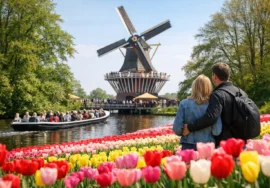
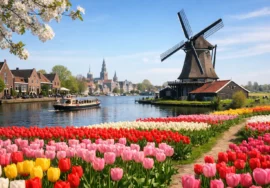
This year’s Tulip Festival is adding interactive displays and virtual tools. You can use your phone to explore the tulip fields or try flower-themed workshops. It’s a more hands-on way to enjoy the season.
There’s also a new Food and Drink Festival focused on local, sustainable cooking. Held in Amsterdamse Bos, it features plant-based meals, cooking demos, and talks about reducing food waste.
In December, the Light Festival returns with glowing art along the canals. The theme for 2025 is “New Horizons,” and many of the pieces deal with climate change and digital life.
International Events and Conferences
Amsterdam continues to host large global events. In 2025, it will welcome the European Tech Forum, bringing in thousands of professionals from across Europe. Later in the year, the Global Sustainability Expo will show off new ideas in clean energy and green living.
You don’t need to attend these events to feel their impact. They bring energy to the city and make Amsterdam a meeting point for people with big ideas.
Greener Ways to Travel and Stay
Easier, Cleaner Transport
Getting around Amsterdam is easier and cleaner in 2025. New bike-share systems are everywhere, with regular and electric bikes you can rent by the minute. Most buses and trams now run on electricity or hydrogen, which means less air pollution.
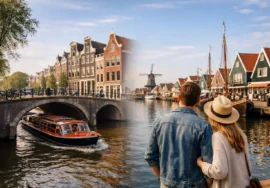
Canal tours now use electric boats, and some companies even offer silent rides with guided audio through headphones. The city is also adding more car-free areas to make walking and biking safer.
Eco-Friendly Places to Stay
More hotels are meeting green standards. Some use solar power, compost food waste, or skip single-use plastics. Look for places with the “Green Key” label—they follow rules for energy, waste, and water use.
If you prefer to rent an apartment, some platforms now highlight eco-options. These places use less energy and often support local businesses.
Helping the Environment While You Visit
Amsterdam is working on cutting waste and carbon. Single-use plastics are mostly banned, and there are more refill stations for water bottles around the city.
Some projects also invite visitors to help. You can take part in local clean-ups, tree-planting days, or canal clean sweeps. It’s a good way to give back and learn about the city’s environmental goals.
New Tech That Makes Visiting Easier
Smarter Streets
Amsterdam is using tech to improve daily life. Smart traffic lights adjust based on how busy the roads are. Public Wi-Fi is available almost everywhere, and signs across the city offer live updates on trams, events, and weather.
There’s also a new app that combines bike rentals, tram tickets, and even museum bookings—all in one place.
Augmented Reality and Digital Tours
Museums and walking tours are adding new tools. With a phone or AR glasses, you can see extra info while standing in front of a painting or historic site. It’s not flashy—it’s just a simple way to learn more.
You can also take virtual tours from home. These are useful if you’re not able to travel but still want to explore.
Less Paper, More Convenience
You can now do most things without paper or cash. Tickets, hotel check-ins, and bike rentals all work with apps. Some places even use chatbots to answer questions or offer directions in real time.
This makes the city easier to enjoy, especially if you don’t speak Dutch or want to keep things simple.
Planning Your Trip
Best Time to Visit
Spring (April–May): Good for flowers, mild weather, and fewer crowds.
Summer (June–August): Warmest time, with lots of events, but also busier.
Fall (September–October): Fewer tourists and colorful parks.
Winter (November–February): Cold, but cozy. Holiday lights and fewer crowds.
If you want to save money and avoid crowds, try March or October.
What to See
Still visit the classics:
Rijksmuseum
Anne Frank House
Van Gogh Museum
But also try:
Begijnhof: A quiet courtyard in the city center.
De Hallen: A food hall, cinema, and creative space in an old tram building.
Noordermarkt: A weekend market for food, vintage finds, and crafts.
Local tours—especially by bike or on foot—can show you places you might miss on your own.
Quick Tips
Buy tickets online to skip lines.
Use public transport or rent a bike.
Wear comfortable shoes.
Bring a refillable water bottle.
Book eco-friendly hotels when possible.
Final Thoughts
Amsterdam in 2025 is familiar, but it’s not standing still. The city is greener, smarter, and full of new things to explore. There are more ways to travel without polluting, more events to enjoy, and more chances to see a city that’s changing with care.
It’s not perfect. Some places still feel too busy in peak season. And prices are going up in popular areas. But overall, the changes are thoughtful and meant to make the city better for everyone.
If you’re planning a trip, this is a good year to go. You’ll see a version of Amsterdam that’s focused on the future—without losing what made it special in the first place.

Pingback: Keukenhof Ticket Options Explained Clearly | Holland Experience